Ten questions from builders and resellers, answered.
What partners asked before they wrote to us.
Entry, size, assembly, prices, the United States and growth.
Ten answers, from entry to growth.
Every answer comes from how URBA works with partners in Europe today and from the status of the first U.S. factory.
01What do I need to become a delivery partner?
A company that builds, develops or sells homes, and a region. No factory ownership and no minimum project size. You write to us with a few lines about your region, what you build and how much; URBA replies to every inquiry. At the start you receive the configurator for your own website, a listing on urba.com and the connection to the factory.
02Where does it work today, and when in the United States?
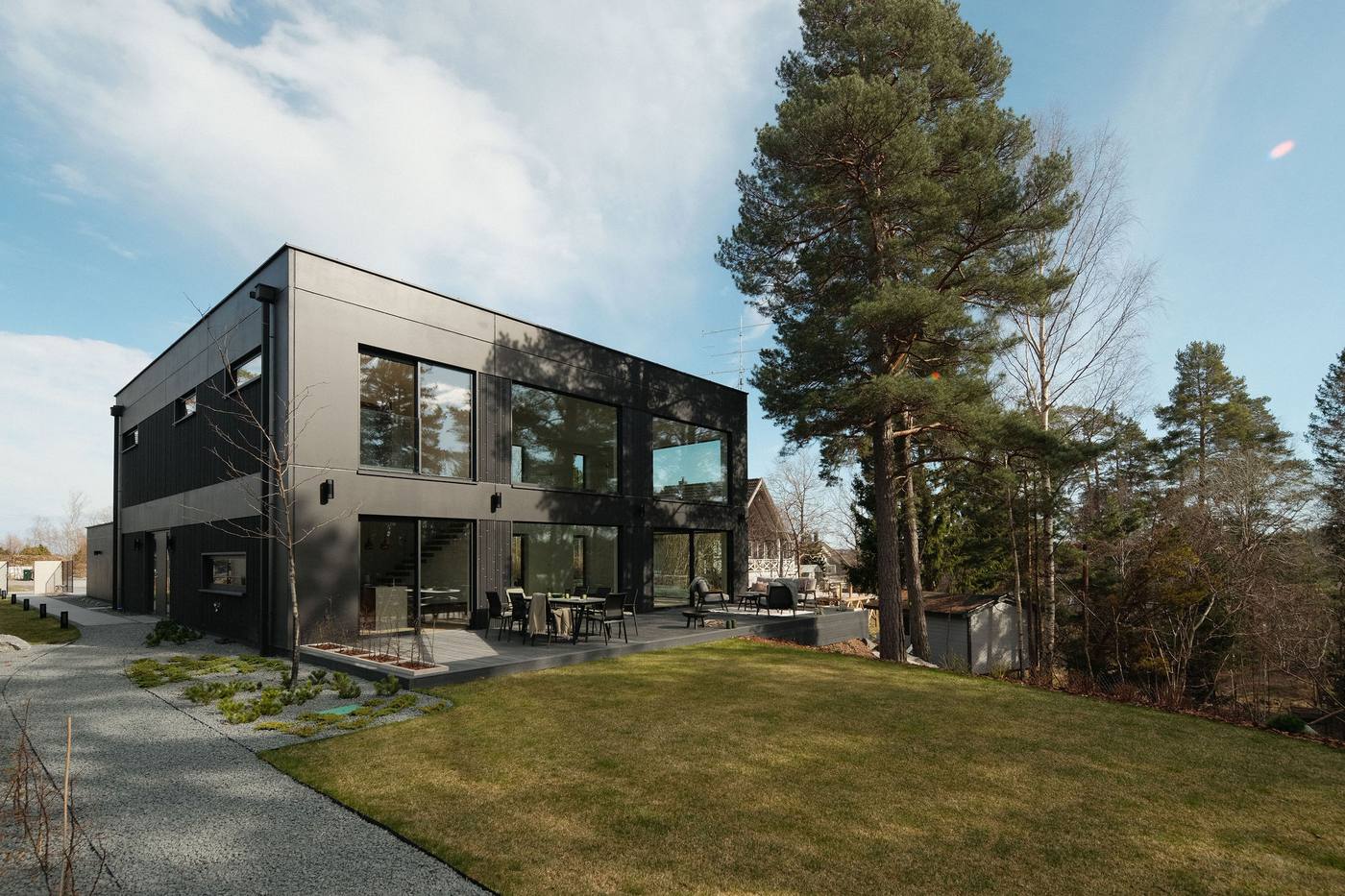
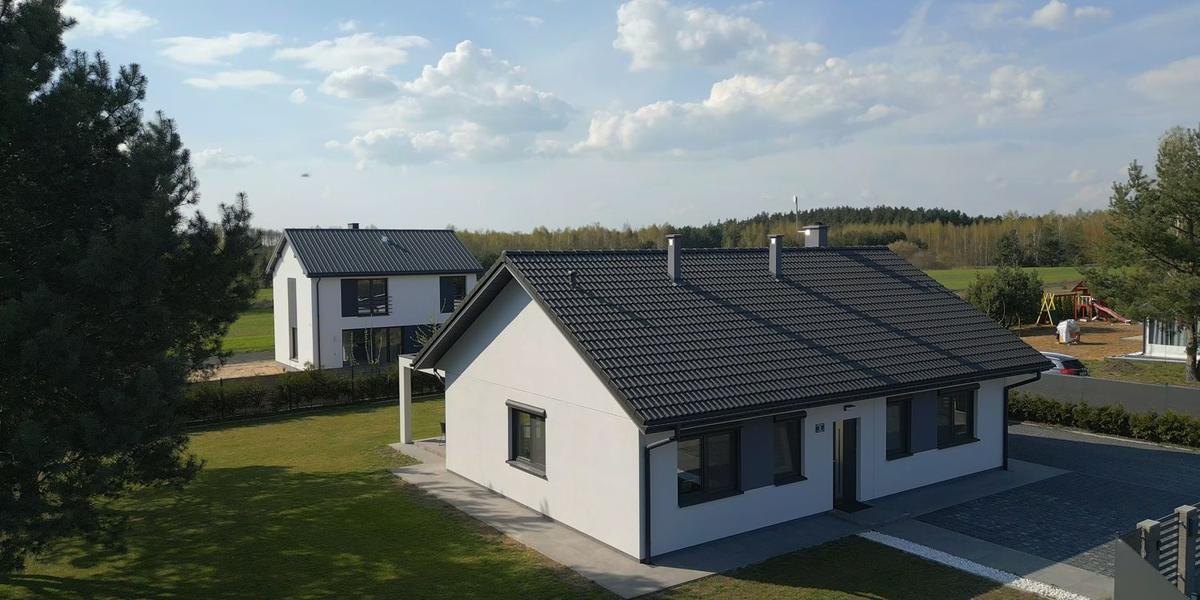
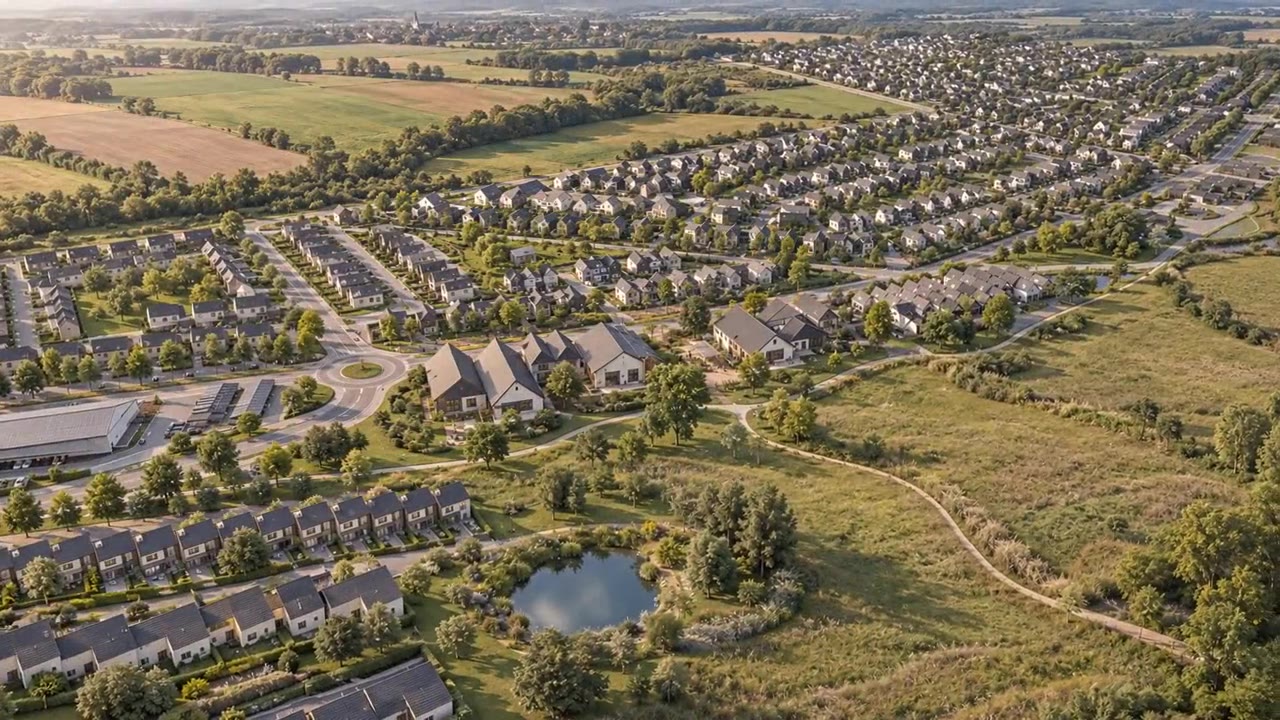
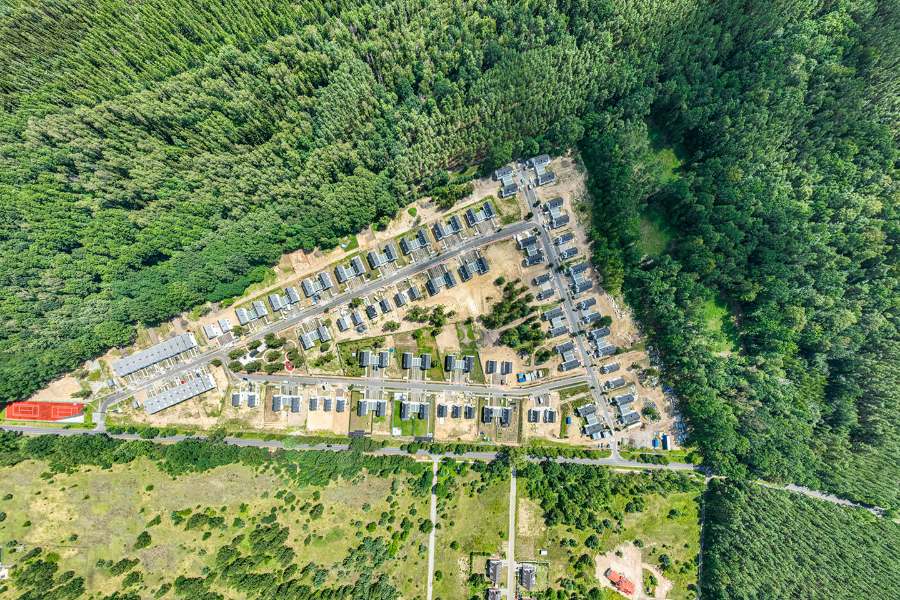
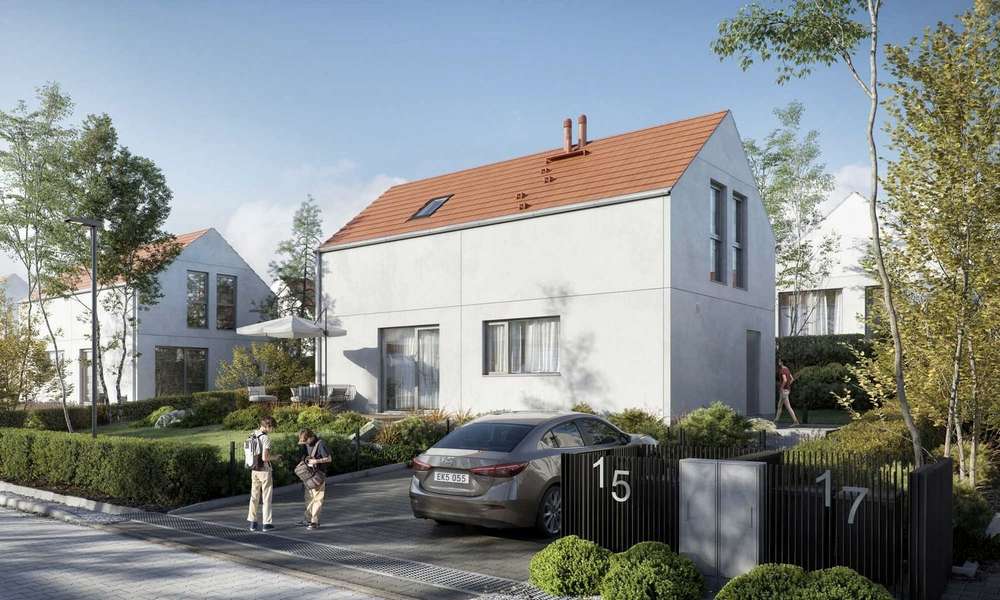
In Poland today, through MABUDO, URBA's precast company: the homes are manufactured in Zduńska Wola and sold from the same catalog of 35 designs, by MABUDO and by the partners in its network. In the United States applications are open now, and U.S. deliveries begin with Factory #1: site secured in Bethel, Connecticut; permitting in progress. Partner information for each U.S. region will be published as appointments are confirmed.
03Do I have to assemble the homes myself?
No. At the starting level the factory manufactures the watertight envelope and assembles it on the plot, with the foundation if you want; your team finishes the interior. Once your crew has completed a training on a live home you can take envelopes with or without assembly, project by project. The do-it-yourself path is the final stage, never the entry ticket.
04How big can a project be?
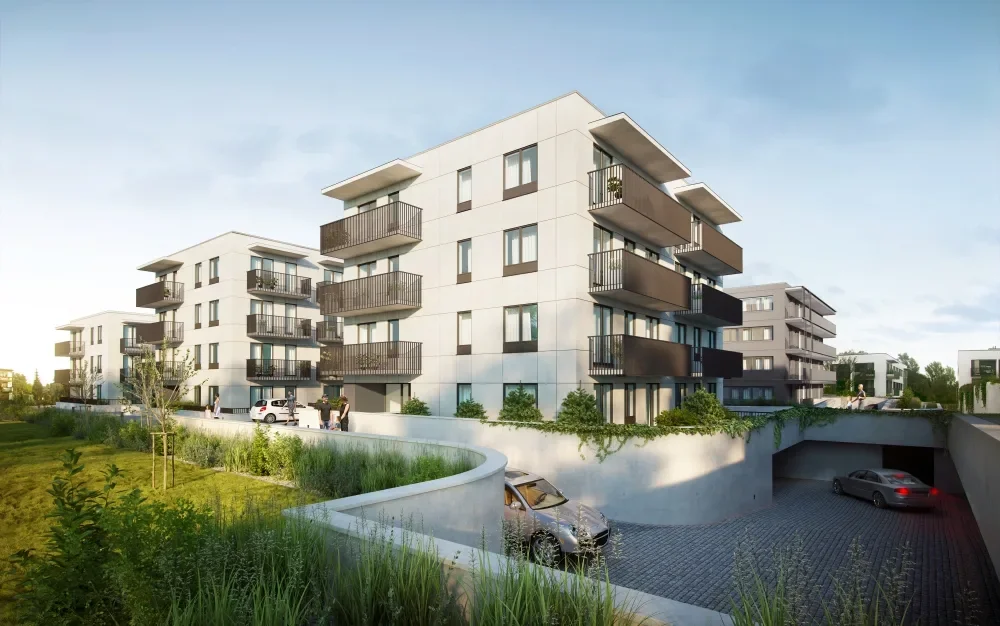
From a single home to a few hundred. Delivery partners sell single homes and projects of a few to a few hundred homes; there is no size discrimination. Larger and more complex projects, apartments, hotels or whole neighborhoods, go through URBA's DFMA service, where the building is designed bespoke.
05What is the difference between a delivery partner and a strategic partner?
A delivery partner sells and delivers catalog homes in its area and grows from envelopes to assembly to DFMA at its own pace: for you, URBA is like IKEA for homes. A strategic partner brings a project or a pipeline and plans the first projects around the factory in its region, with URBA providing the product and the DFMA service. A franchise around the factory or a joint venture are possible forms of that cooperation, depending on the structure agreed; production allocation, pricing and delivery terms are agreed in the project contract. Many partners start with the first and grow into the second.
06What is DFMA?
Design for manufacture and assembly. Design produces factory-ready information; manufacturing creates repeatable elements; assembly converts them into buildings on site. For a partner it means URBA Architects designs the building, URBA Tech turns it into factory-ready information, the factory produces the walls, floors and modules, and the crew assembles them in a planned sequence. It is the service behind every bespoke building URBA delivers. The mechanism, drawn.
07How are price and schedule fixed?
Before the first element is cast. For catalog homes the configurator total is the contract total: every option carries its listed price, and production, price and schedule are written into the contract. For MABUDO catalog homes in Poland, 50% is due at contract signing; the remaining payments follow the agreed construction milestones: when the foundations are ready, when the walls are assembled, and at handover. For a strategic partner's projects, production allocation, pricing and delivery terms are agreed in the project contract, after the technology is selected and the quote accepted.
08How fast is the envelope on site?
The structure of a single-family home stands in about five days with one crane and five people; a complete set of walls in one to four days. The envelope is watertight in days, not months. The whole assembly step of a catalog home, from the first element to a closed shell ready for finishing, takes two to three weeks under typical conditions. Foundations, connections and finishing follow the project specification.
09What does the partner network give me?
Customers. Your listing on urba.com, with your region and your developments and their status, means that a family looking for a resilient, energy-efficient home in your area finds you. And the same elements every time: structural and facade works are fast-tracked from the factory, so your team focuses on the interiors your clients pay for. Listings are published as appointments are confirmed.
10Can we grow into apartments and other buildings?
Yes, that is one of the two growth paths. Path A: bigger and more complex projects, from single homes to small developments, then apartments and other vertical buildings, with URBA's DFMA service behind you at each step. Path B: stay with homes, at greater scale and more predictably. Both keep your brand, your team and your customers. The two paths.
Assembly figures are MABUDO's own values from Poland. The Factory #1 status is as of September 2026. Terms for strategic partners are agreed in the project contract.
Bring your company. Or bring a project.
A few lines about your region, what you build and how much. URBA replies to every inquiry.