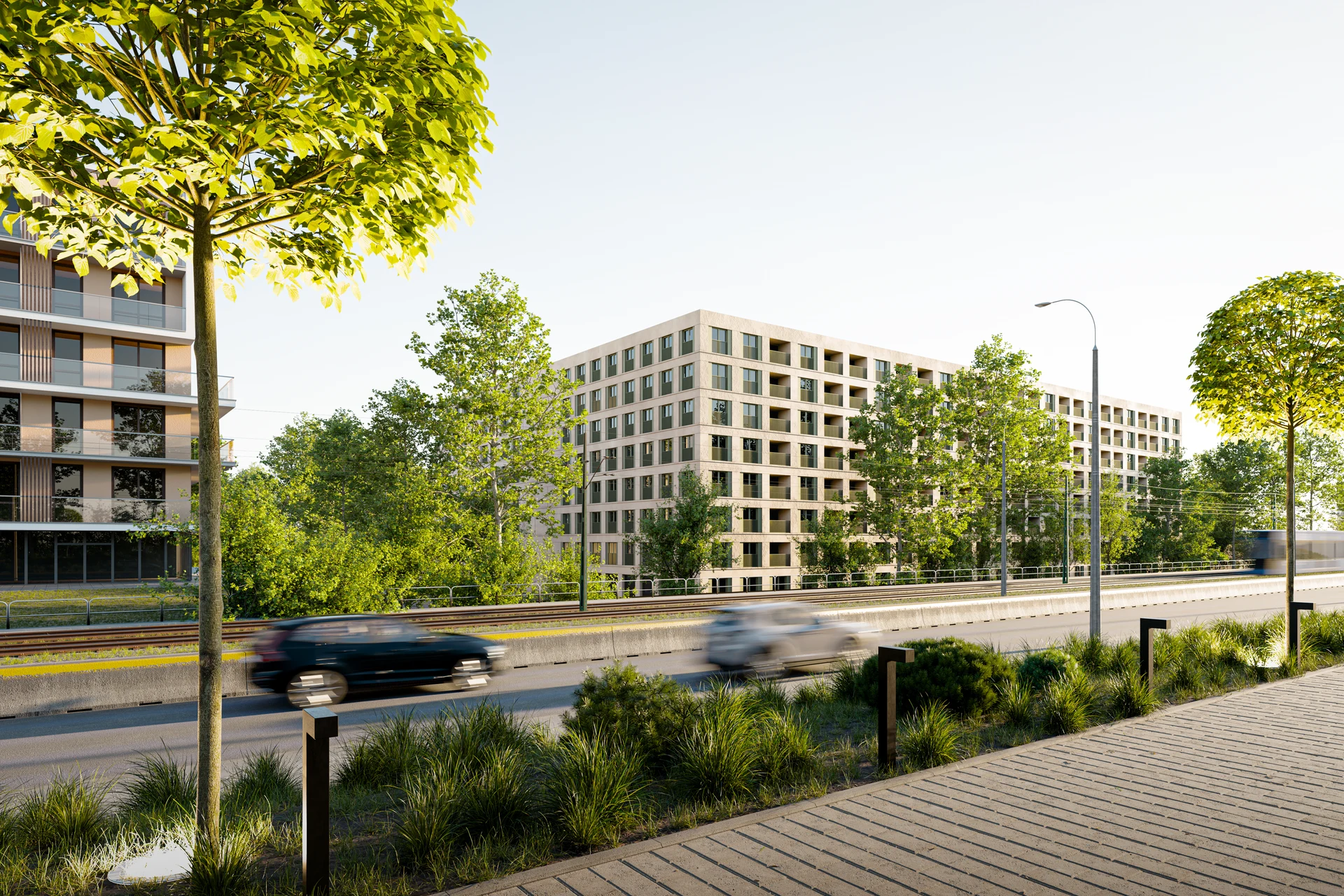
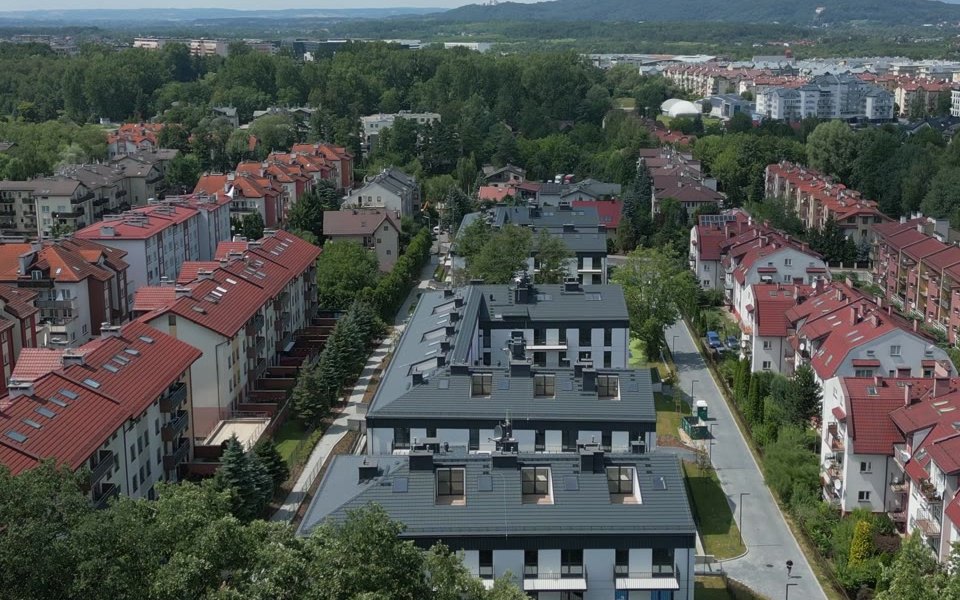
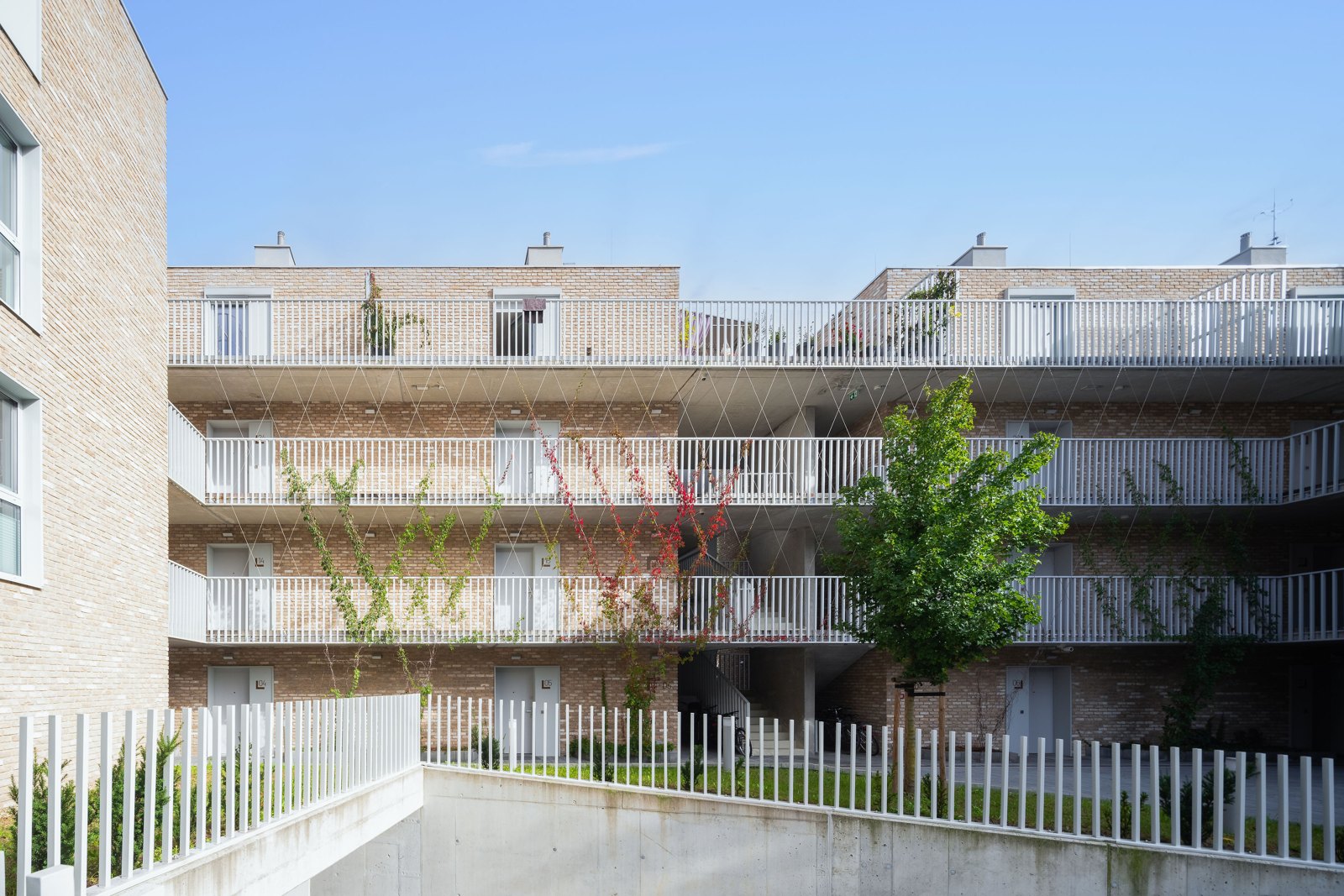
DNA and history.
A precast factory, a family firm, a developer that tested every capability on its own projects first: the MABUDO heritage is the DNA, one group today.
A housing factory in 1975, one group today.
URBA was founded in Kraków in 2011. The oldest company in the group has made homes since 1975. Scroll, and the line moves; a station lights up and plays its film.
 Video
 Video
 Video
 Video
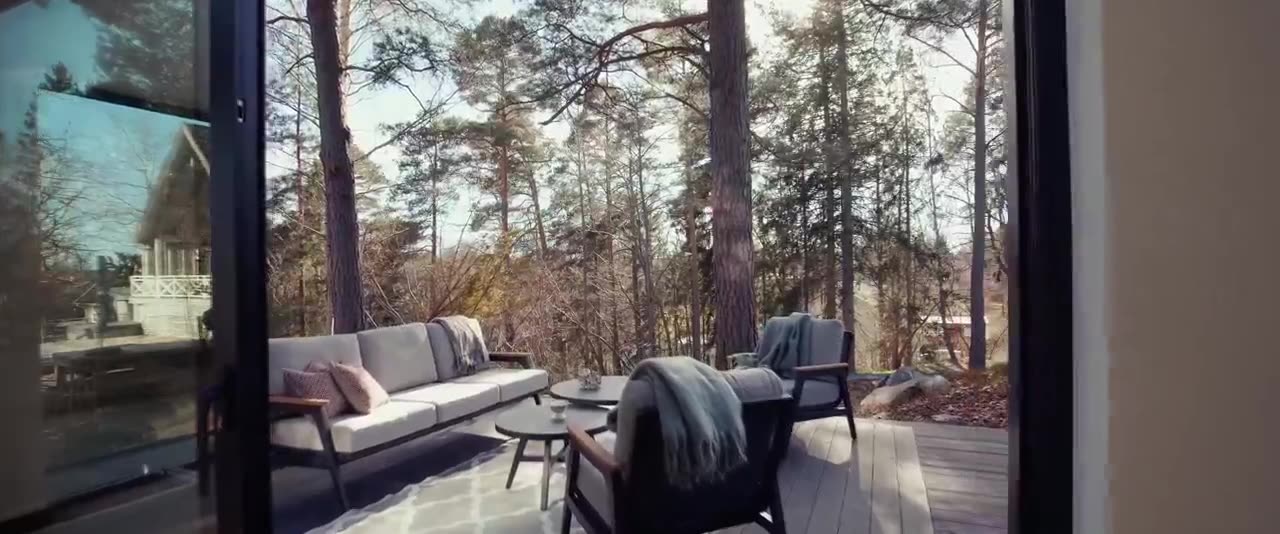 Video
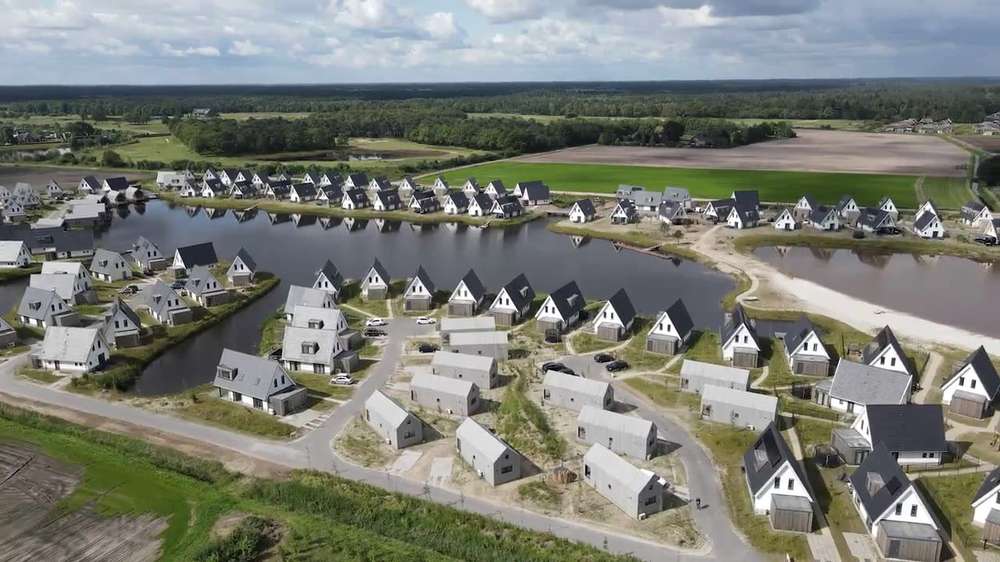 Video
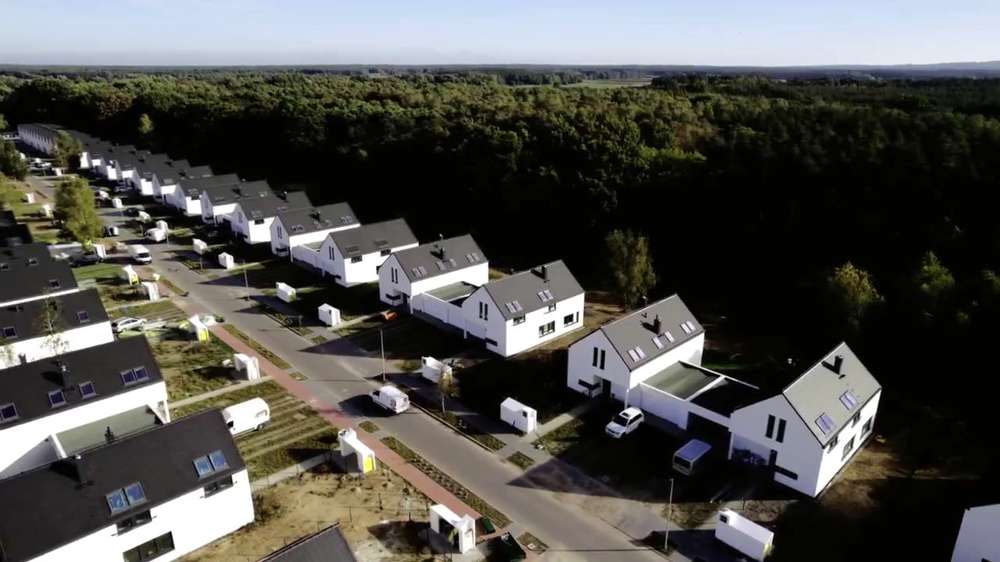 Video
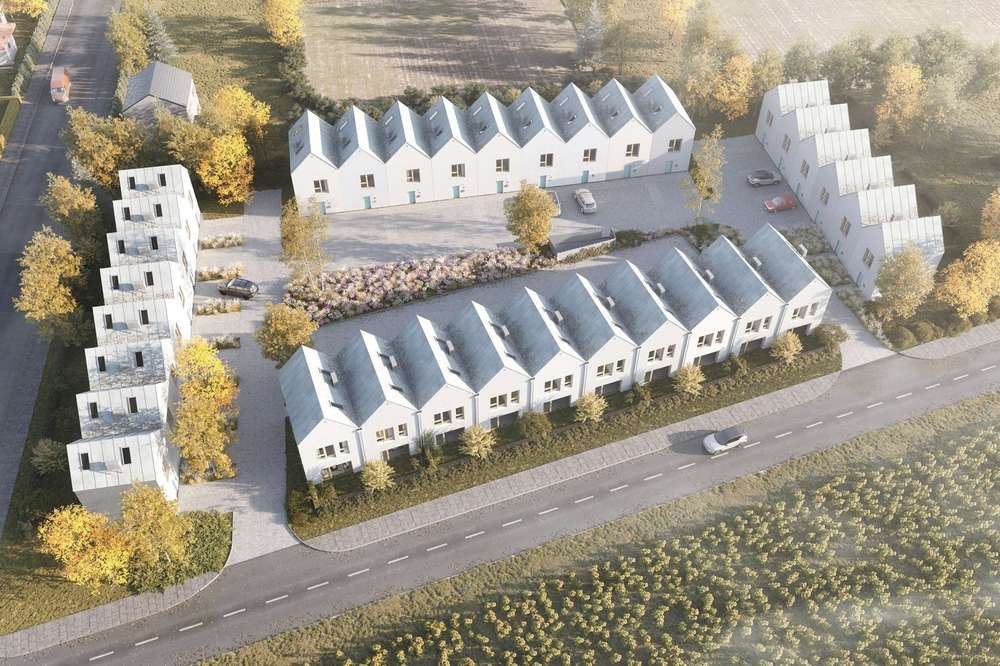
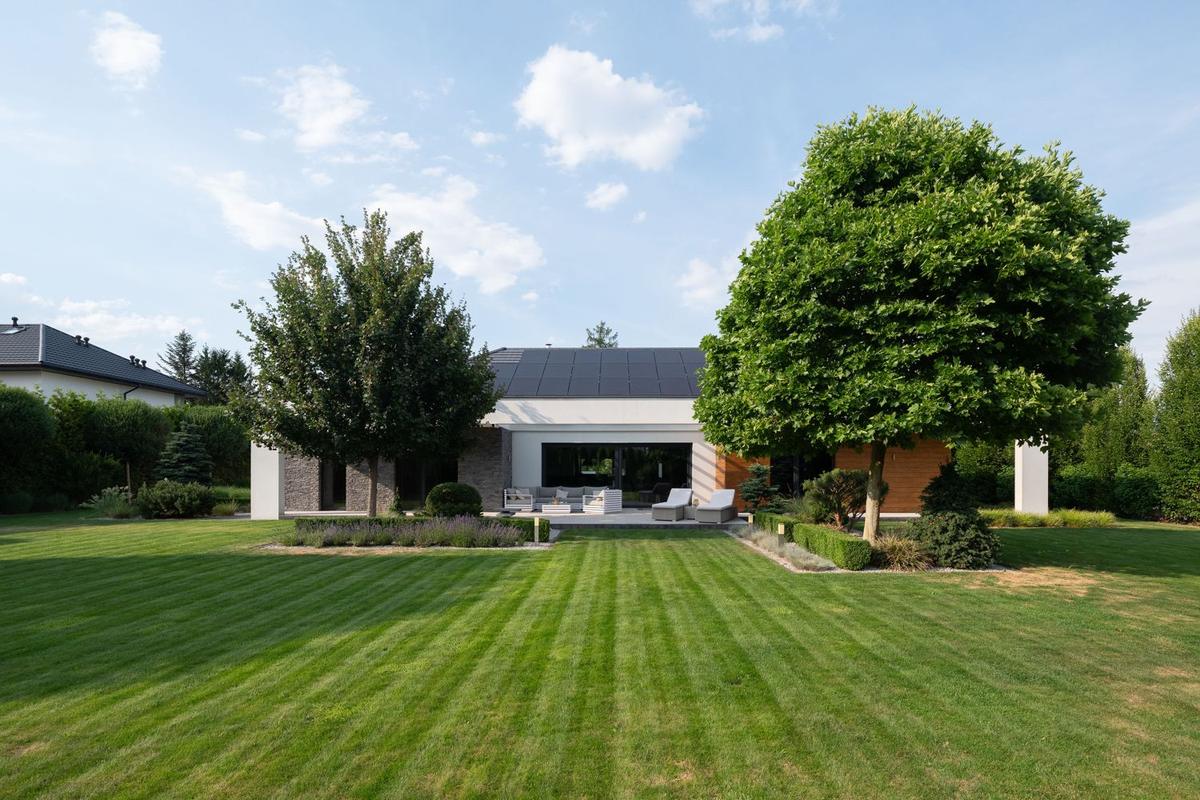
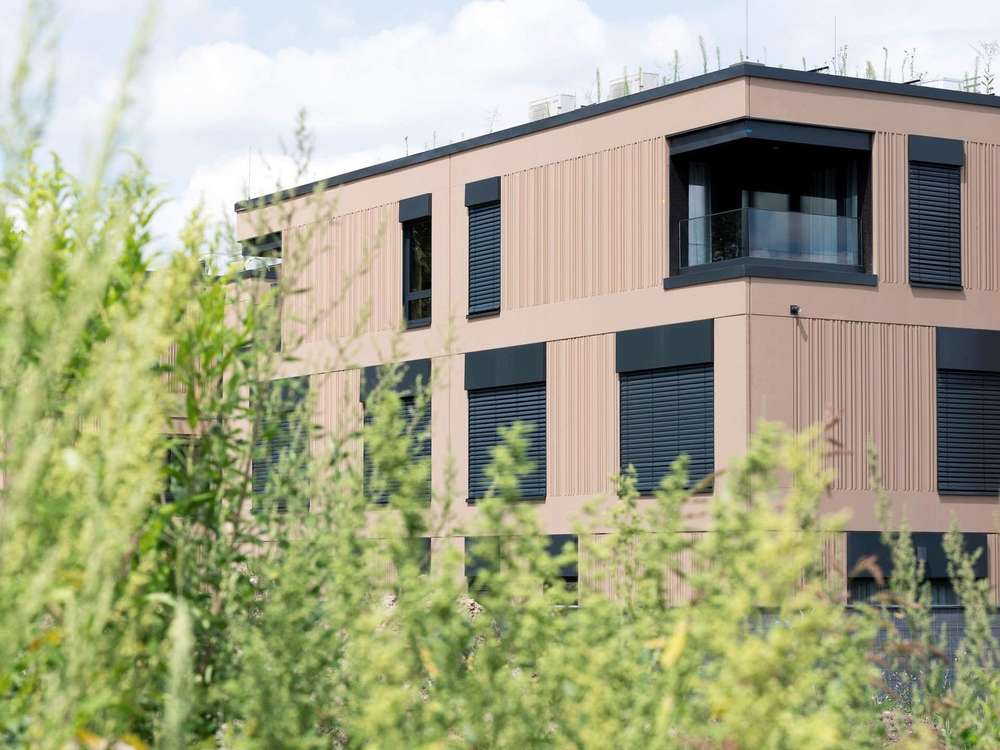
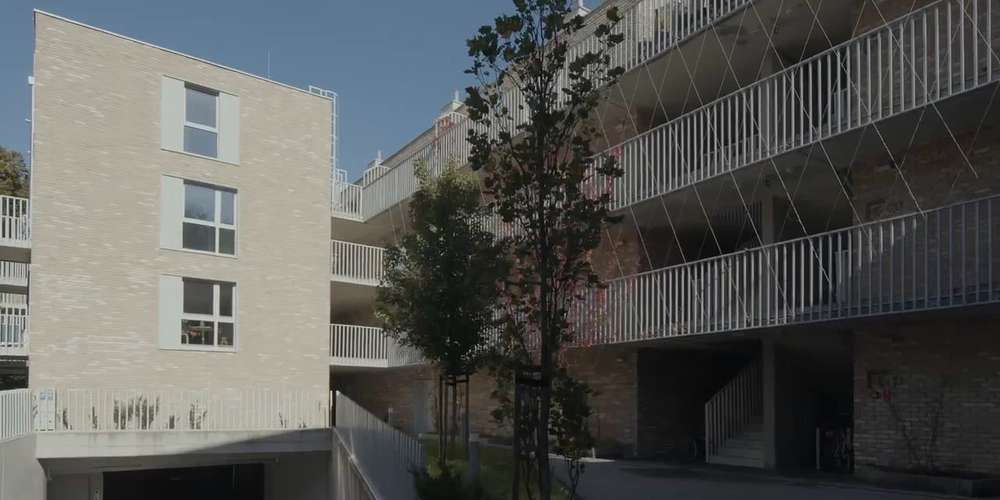
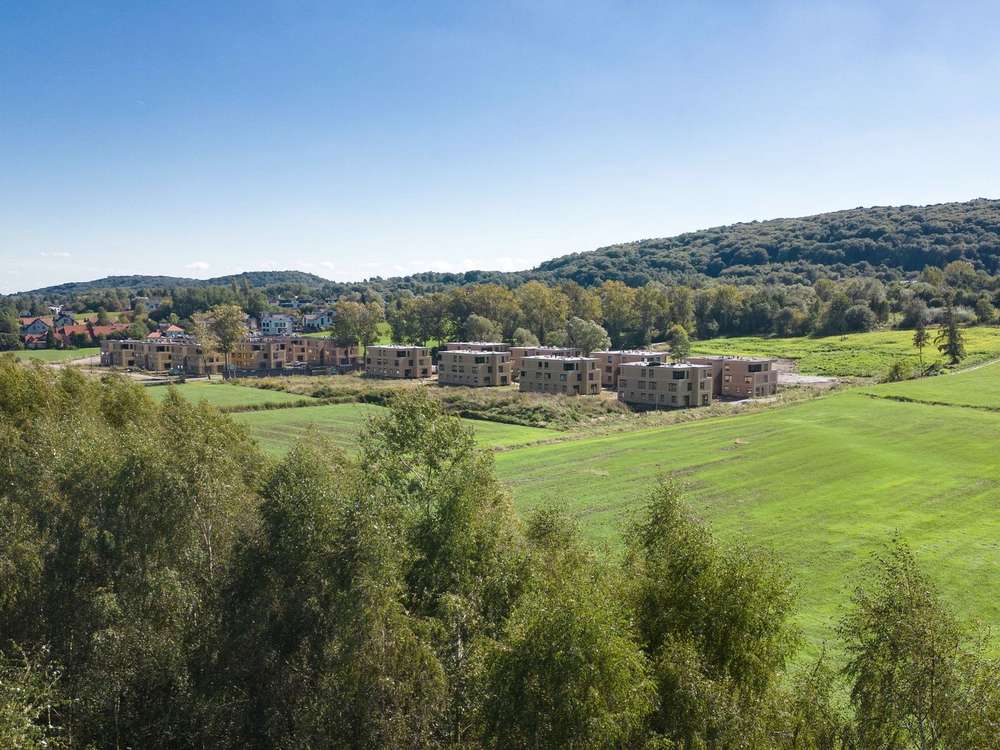
Four chapters, two quotes.
The record behind the stations: what each period built, in the founder's words where he said it.
The factory and the contractor
The years 1975 to 2007, in detail
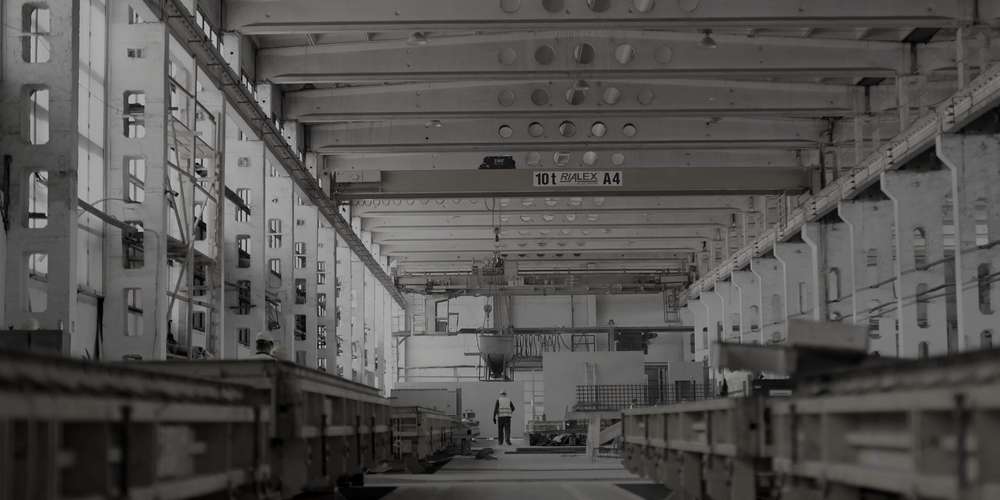
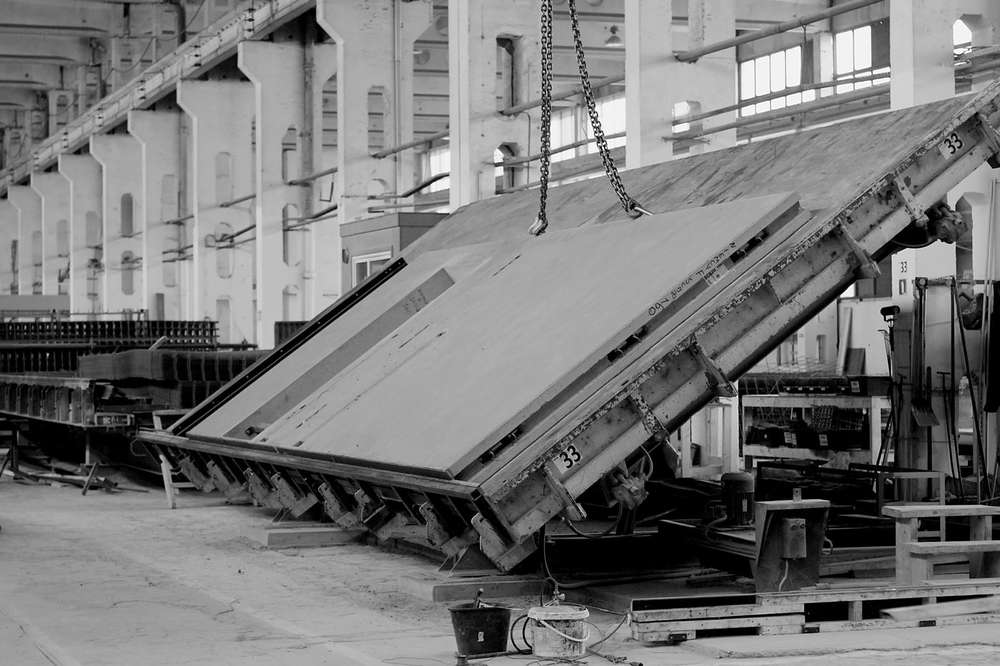
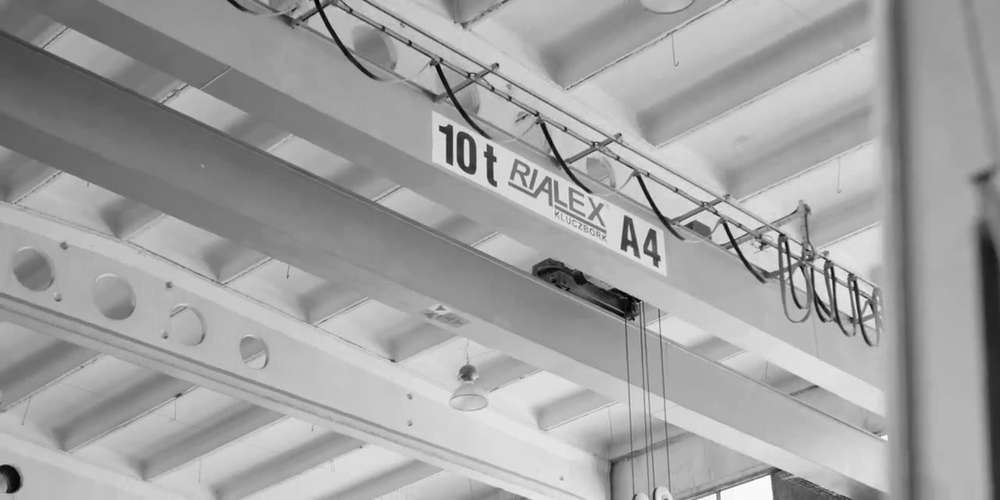
1975. FADOM is one of Poland's early industrial housing manufacturers, in a region that was then one of the world's largest laboratories for factory-built housing. Many systems of that era put quantity before quality; what they left behind was an engineering culture, manufacturing know-how and industrial discipline. That legacy is the technical base of MABUDO, which kept the hands-on experience and upgraded materials, performance and architecture.
1988. The shift from centrally planned production to open-market competition changes the company's DNA. Under real market conditions MABUDO widens its prefabrication range and keeps adapting it to changing architectural, technical and economic demands.
1996. Nordic precision and energy logic enter the production. What follows is not adoption but reinvention: Polish engineering, manufacturing optimization and cost discipline adapt the system for large-scale, competitive use. This is the technological DNA behind MABUDO RAPID and both wall families sold today.
1998 to 2015. The building systems and the delivery method are refined in parallel: complete buildings assembled from factory elements by dedicated, trained assembly teams. Two complementary systems mature, one for single-family homes and one for multi-story residential buildings, both on the same reinforced-concrete logic. Sweden and Germany, with stricter rules and different climates and codes, force further refinement.
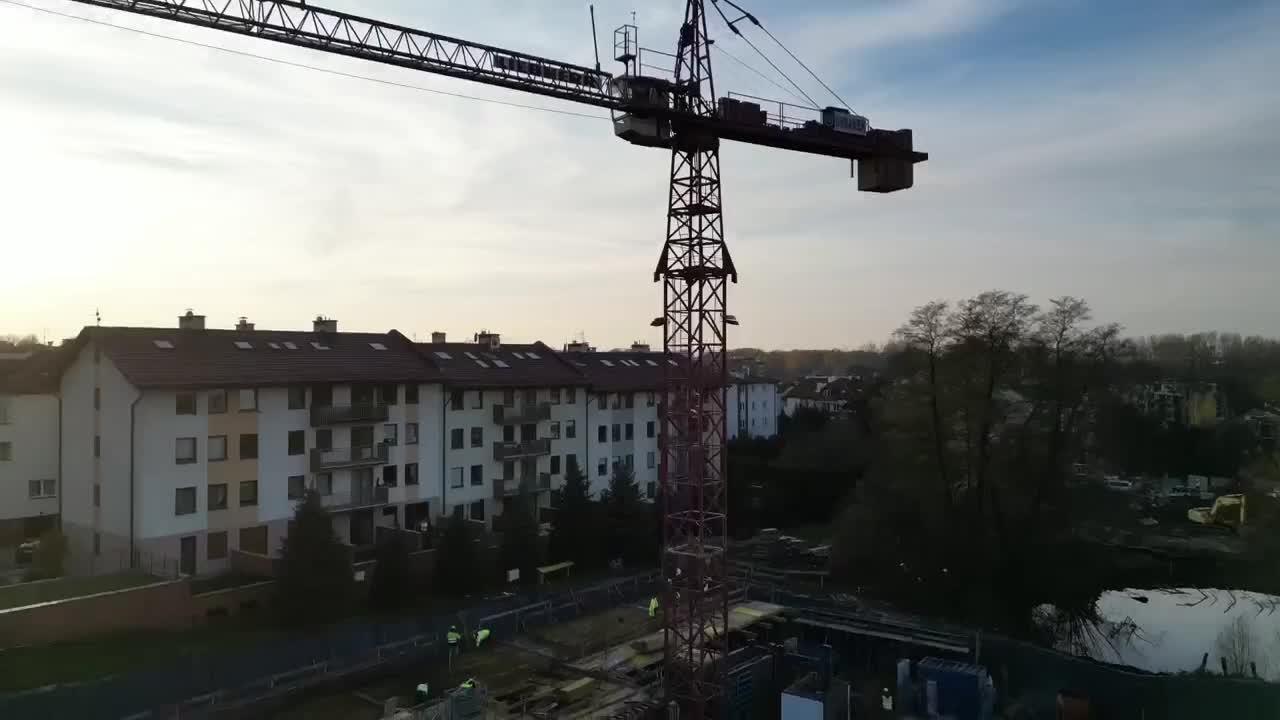
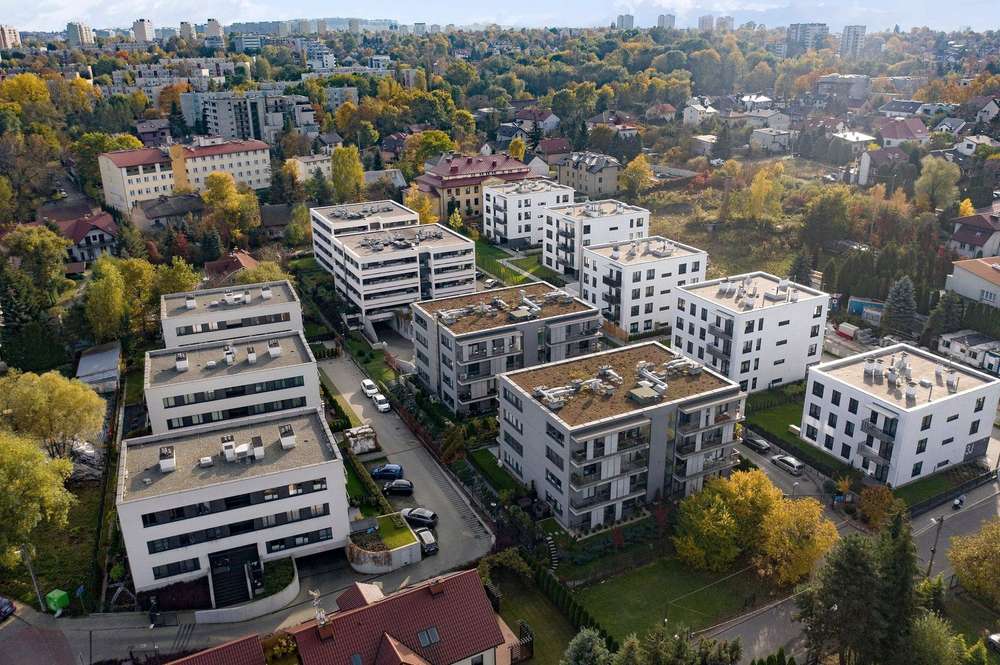
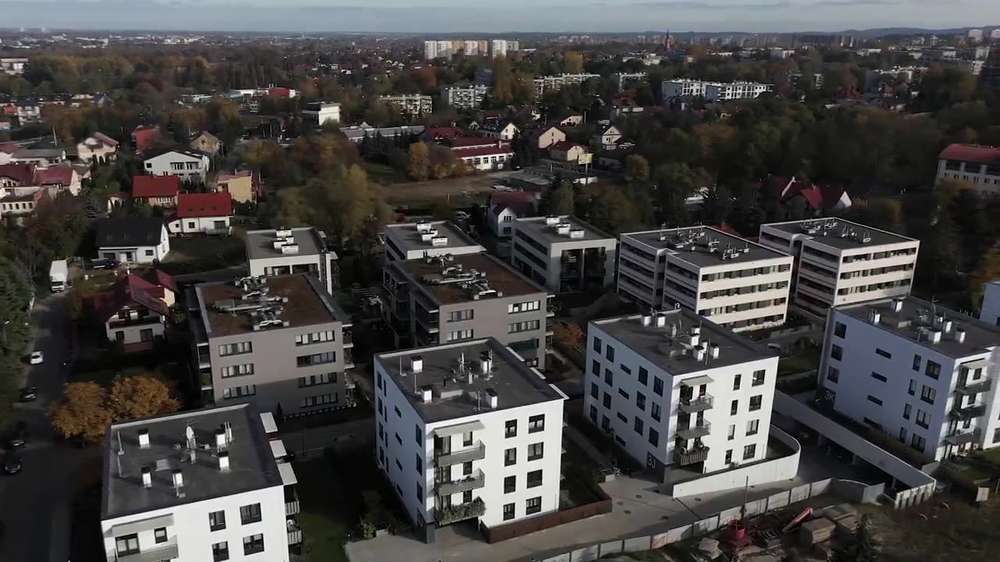
2007. ABYARD's one role is to make sure the precision, speed and quality created in the factory are realized on the site. Owning the contractor is why the group learns from every site: what the crews find goes back to the architects, the factory and the software instead of staying with an outside company. The film: Obozowa in Kraków, 121 apartments designed by URBA Architects, all sold.
URBA, the architects and the factory
The years 2011 to 2019, in detail
2011. The founding idea: homes and apartments that exceed the market standard and stay future-ready. Skowronia, with underground parking, is already above the standard of its day: mineral wool, inverted green roofs, upgraded joinery, external aluminum blinds. Built the traditional way, it also shows the limits of that way. In the founder's words: "It was a success, but a logistical nightmare. Dozens of subcontractors. Constant delays. Some days a hundred people showed up on site, other days, few."
2015. As an independent studio URBA Architects can test ideas on built projects; rooted in URBA, it learns how to design meaningful architecture for offsite technologies. "Simplicity applied" means architectural clarity that can be built. Today the studio works from Kraków, Hamburg, New York and Honolulu, is a co-founder of the Polish Green Building Council and designs the group's villages, neighborhoods and apartment buildings. Beside the entry: Kolumba, Parkowa, Wawrzyńca and Den Living.
2016. The plant comes with more than 30 years of history and 120 experienced workers. The founder tells it from the day of the visit: "On my way to buy another project, I stopped by a prefab concrete factory. I walked in expecting a quick tour. I walked out with a mission." URBA invests in the production lines, productivity and quality rise, and MABUDO technology spreads across Poland and abroad.
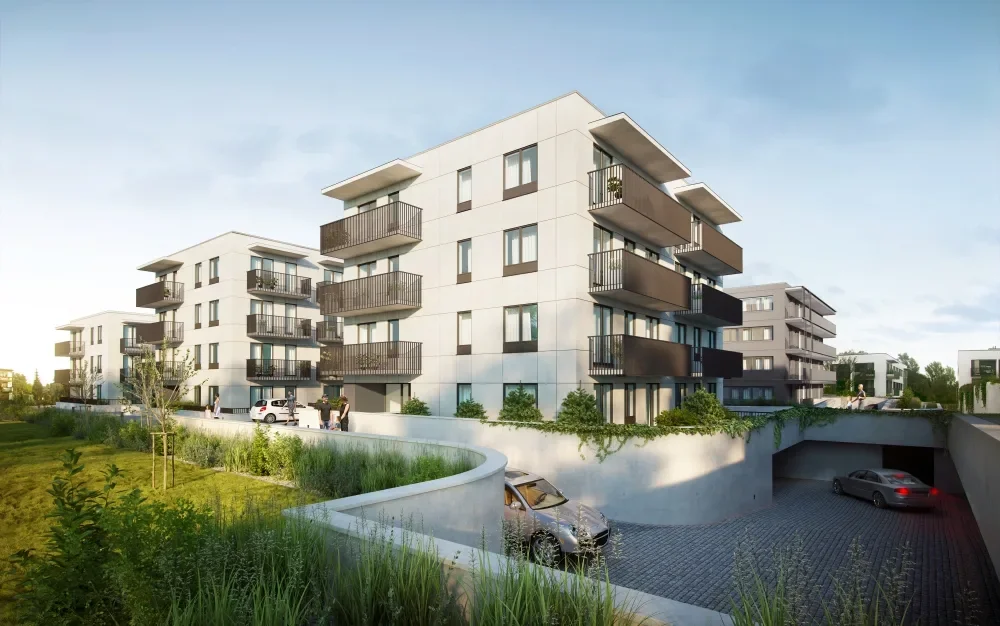
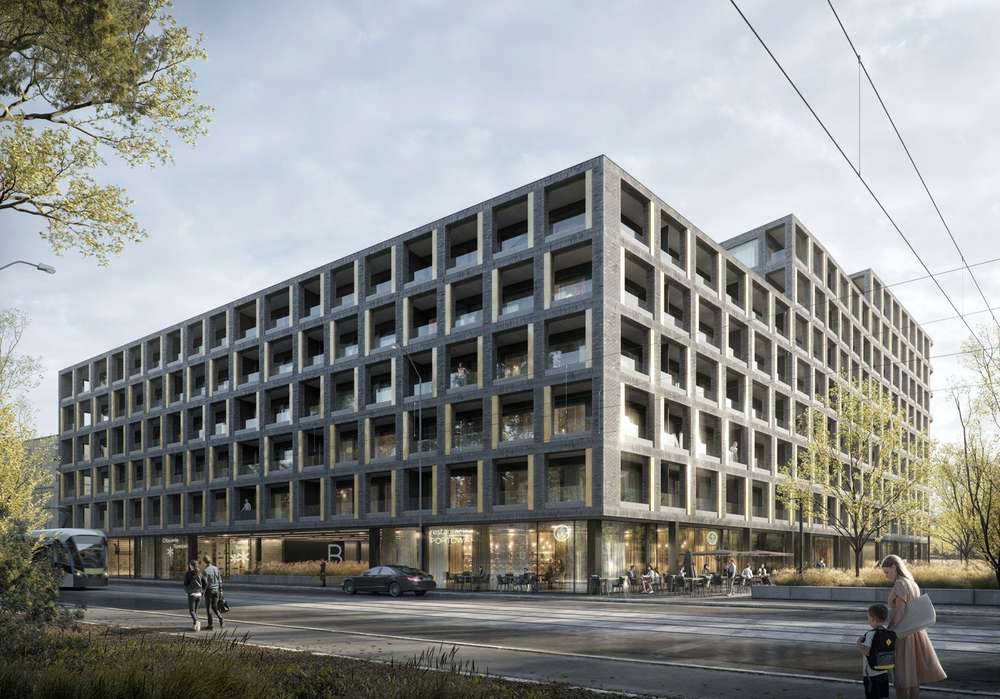
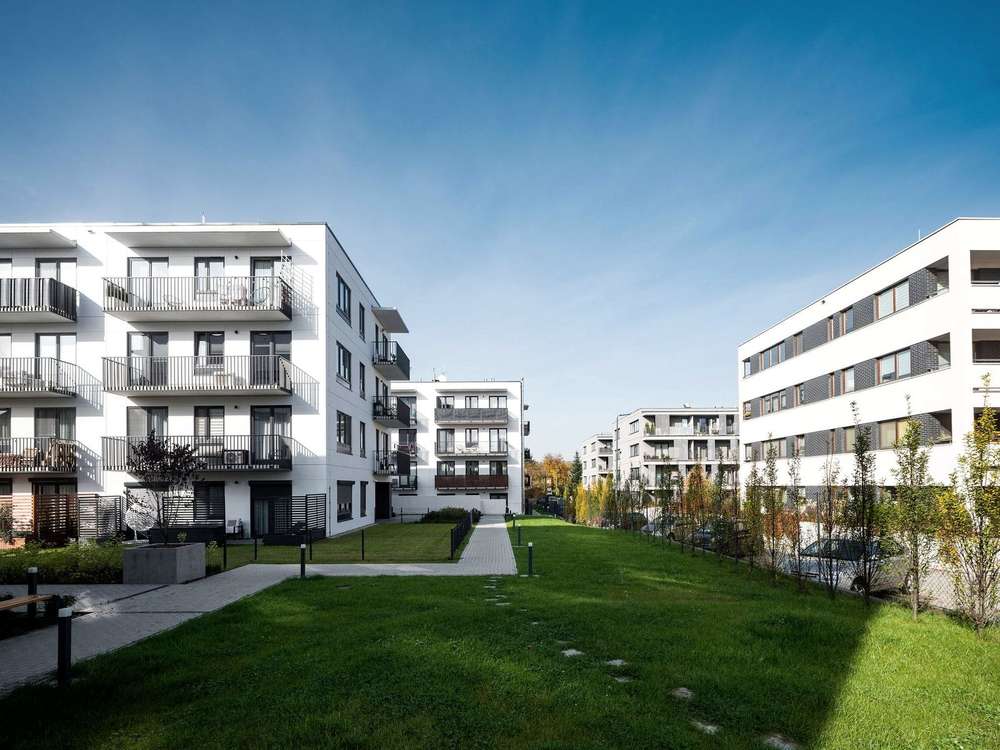
2018. Kastel (Kasztelańska 22), a boutique multifamily building with underground parking next to Kraków's Błonia, where architectural concrete is treated as a refined material. And stage IV of Skowronia: five multifamily buildings with two underground garages inside a multi-phase estate of hundreds of apartments. Durability, energy efficiency and technical performance were common to both, as baseline standards rather than options.
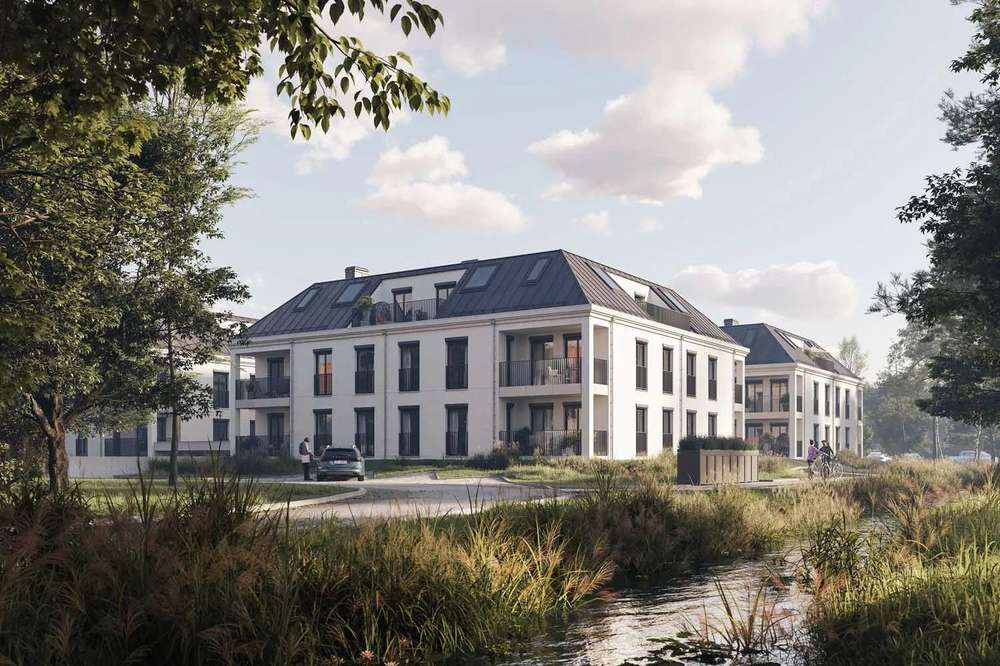
2019. URBA enters Germany and Sweden as a developer, not only a supplier, applying its industrialized model directly to its own projects: mid-market and premium apartments in Germany, bespoke homes in Sweden. In URBA SKY, concrete is treated as a new architectural marble. Working in three countries shows that the same system adapts across borders and segments.
MetaProp, New York: two offers, one step back
"In 2020 we presented our model at MetaProp in New York. And we immediately received two Letters of Intent to build factories in the United States. But instead of rushing forward, we took a step back."
Marcin Borowski, NYU Stern SREC, 6 March 2026
The decision to enter the American market dates from this year; five years of study, product adaptation and R&D follow.
Lahaina
"I was there with my family when the wildfires came. We were evacuated from the resort next door. And I watched families lose everything, in one night. That night in Lahaina changed everything for me. I stopped thinking about what was possible and started thinking about what was necessary."
Marcin Borowski, CREtech New York, 21 October 2025
Resilience becomes the standard the group builds to; preparations for the United States begin.
Two technologies, the first neighborhood, Lahaina
The years 2020 to 2023, in detail
2020. Two letters of intent to build factories in the United States, and a step back instead of a rush forward: five years of study, product adaptation and R&D before the first U.S. steps of 2025 and 2026.
2021. MABUDO precast makes the building envelope; UCUBER closes the other gap, turn-key acceleration of whole buildings, with modules that leave the factory with facades, finishes, wiring, plumbing and HVAC complete. The UCUBER factory is in Kraków, on ul. Domagały.
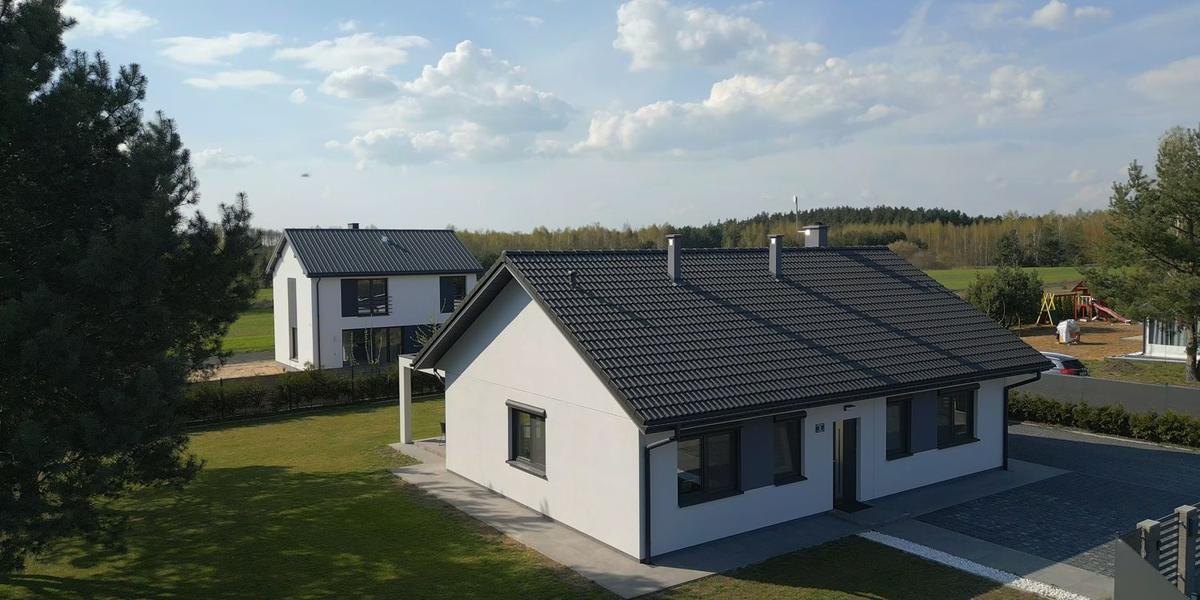
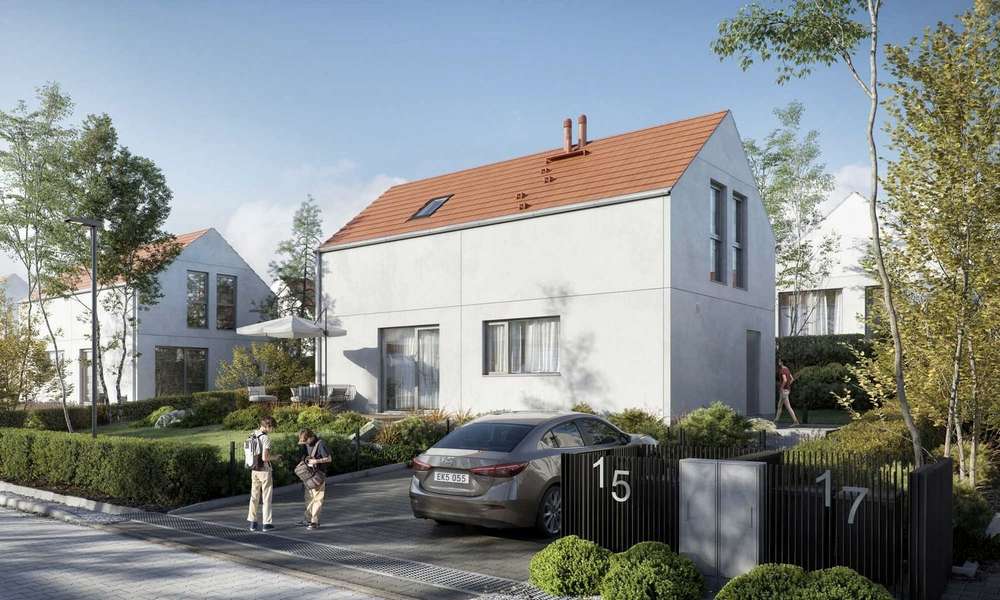
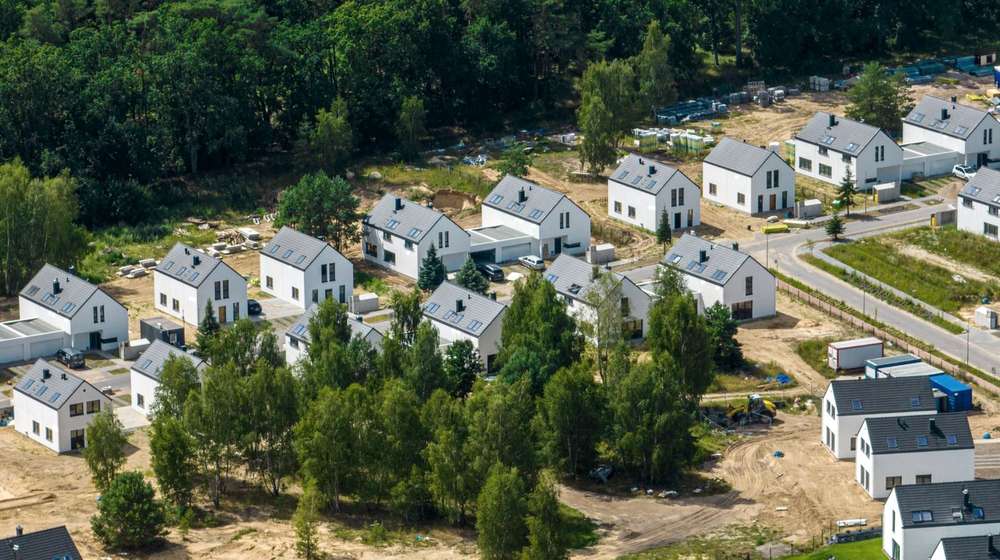
2022. Ostoja: 106 homes, detached, semi-detached and terraced, designed by URBA Architects, around a central park with a running path, playground, outdoor gym and tennis courts. About 16,000 m² (172,000 sq ft) of housing went up in a year and a half with only two on-site assembly crews. Resilient, energy-efficient homes delivered in volume, attainable, inside a real community.
2023. URBA Tech builds the tools that speed up design and standardization, so a family can personalize a home while the factory keeps its production logic. It also closes the data loop: options chosen, cycle times, tolerances and assembly hours return from every project to the next product generation. Beside the entry, four homes that went through the design and pricing tool: Hawaii, Leszczyńskiego, Oława, Partecznik.
August 2023. After Lahaina, URBA deliberately slows its own development volume where speed would compromise the product, and the U.S. preparations begin: product adaptation, engineering and the first factory.
The catalog, the proof, the United States
The years 2023 to 2026, in detail
2023 to 2025. Show houses are built and furnished by URBA Design: Loft, Elegancka, Scandi and Japandi (95 m², 2023), Pełna koloru (152 m², 2024), Nowoczesna (116 m², 2025). Kohala by the Sea, Hawaii: an URBA SKY modular home project, 285 m², 2024. In Poland, families now buy MABUDO homes the way the car industry sells cars.
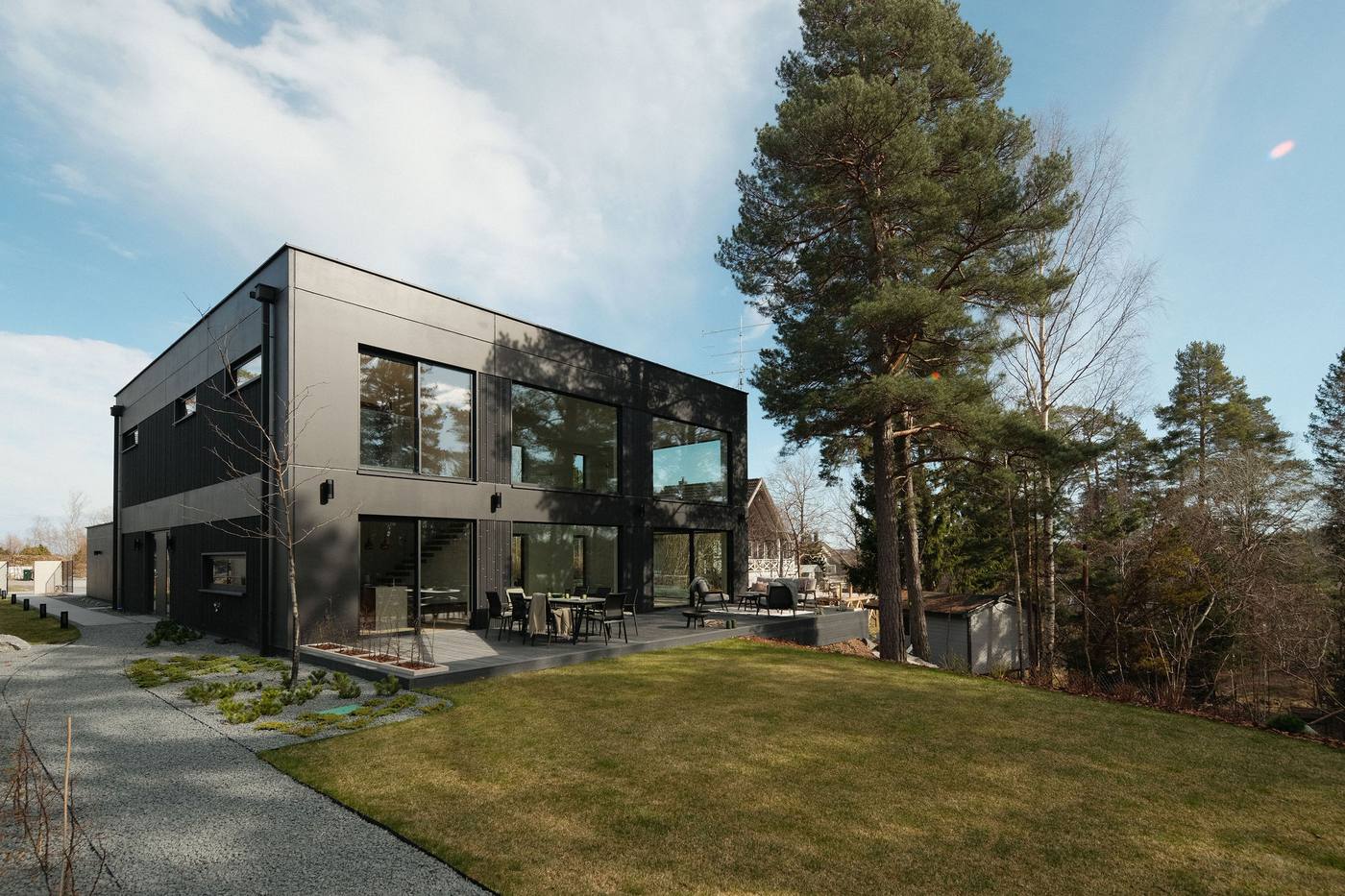
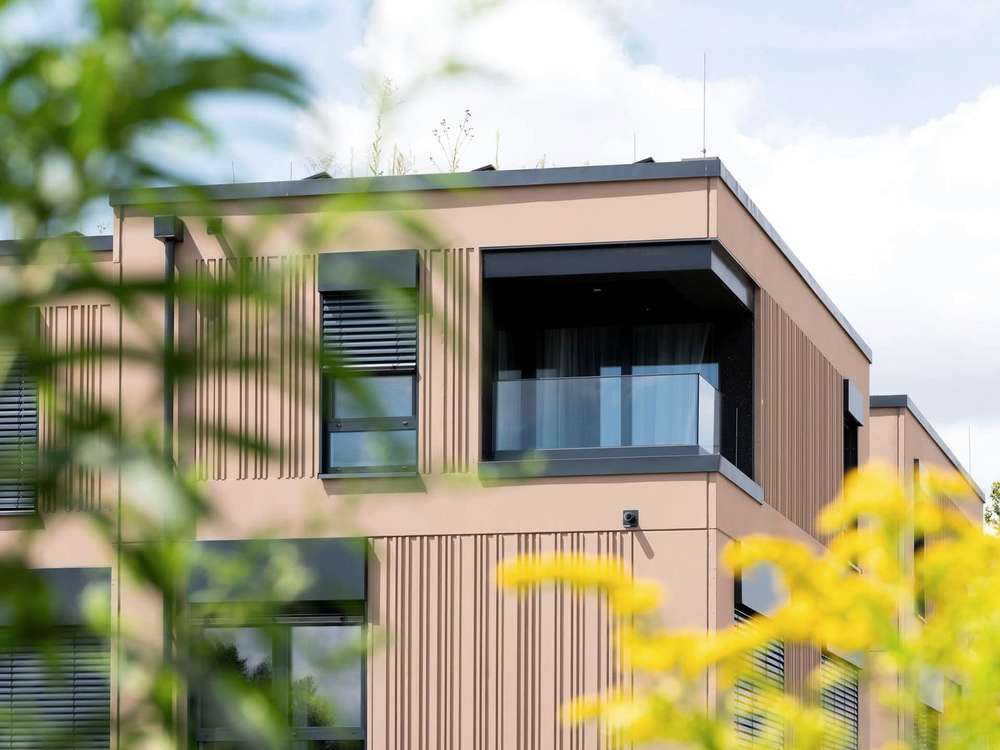
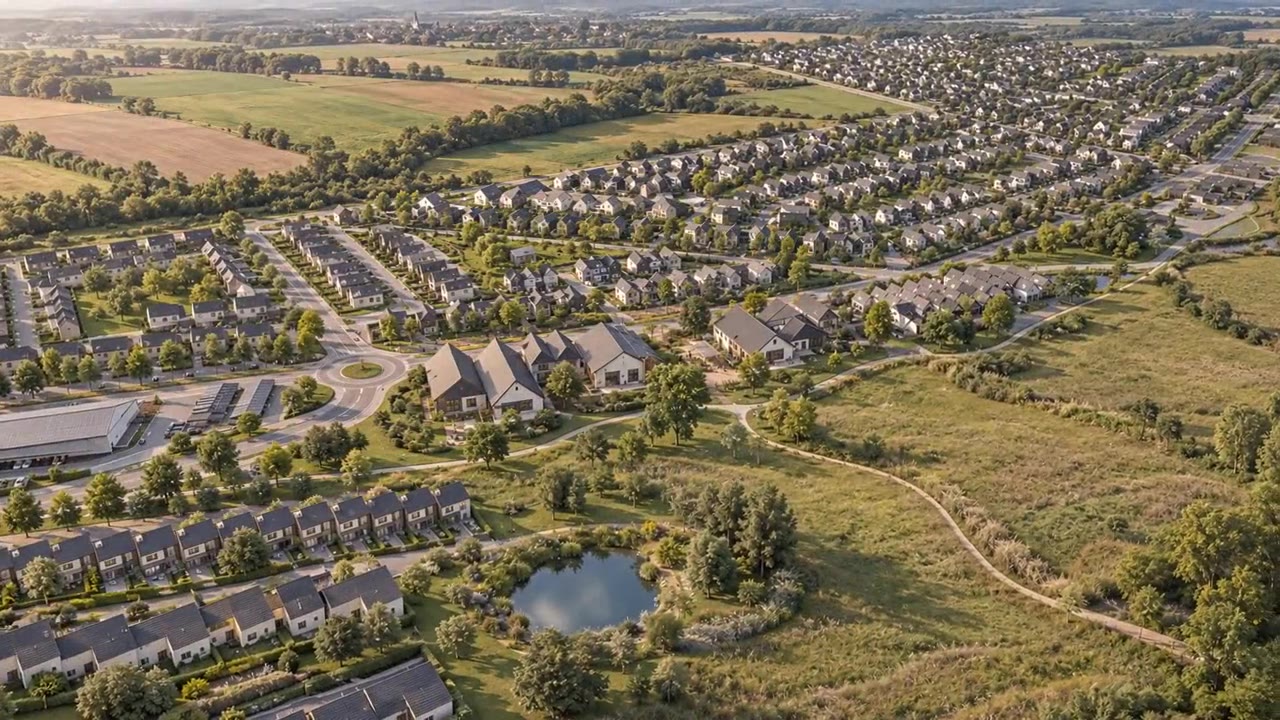
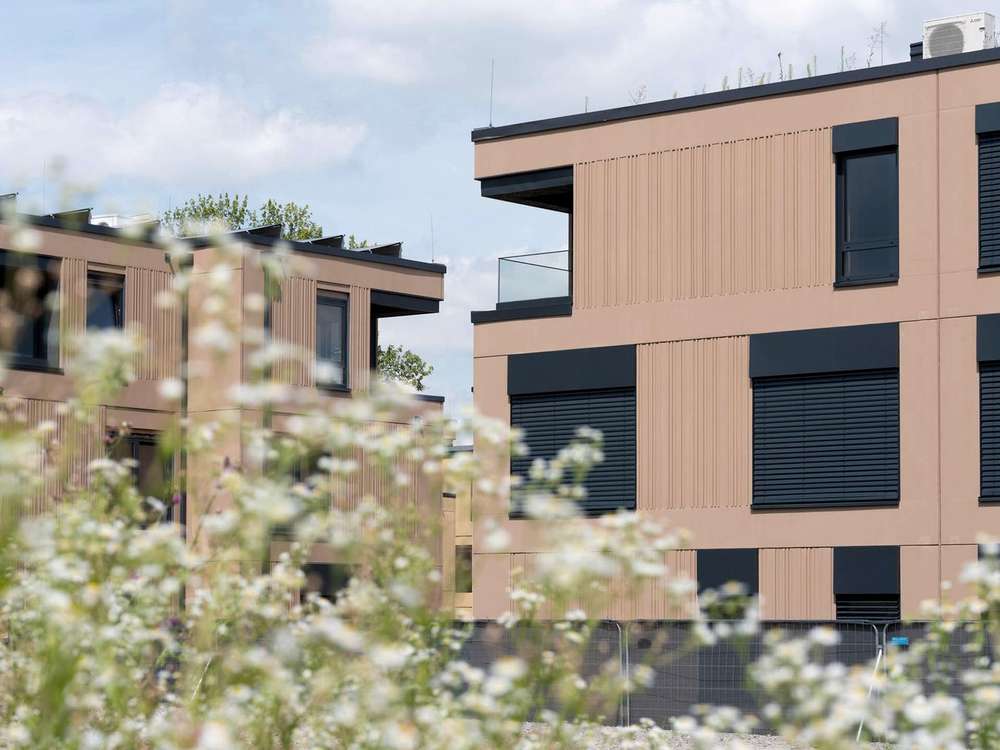
2024. Wola Village, ten minutes from the airport: townhomes inspired by London and New York, with sculpted concrete facades, loggias and private gardens, on MABUDO ROBUST walls, designed by URBA Architects and assembled by ABYARD. Around them, over two hectares of private parks with seven recreation zones, URBA Farming, a certified ecological urban farm (Zielony Listek), and a future center with a preschool, coworking and fitness. The full village is planned at 300+ homes. The ISO 9001:2015 certificate covers design, production, sale and assembly of prefabricated buildings and roof trusses; the 2025 surveillance audit passes with no major findings.
December 2024. Life Hub is not the group's largest project, but the one that confirmed the principle of simplicity applied under real constraints.
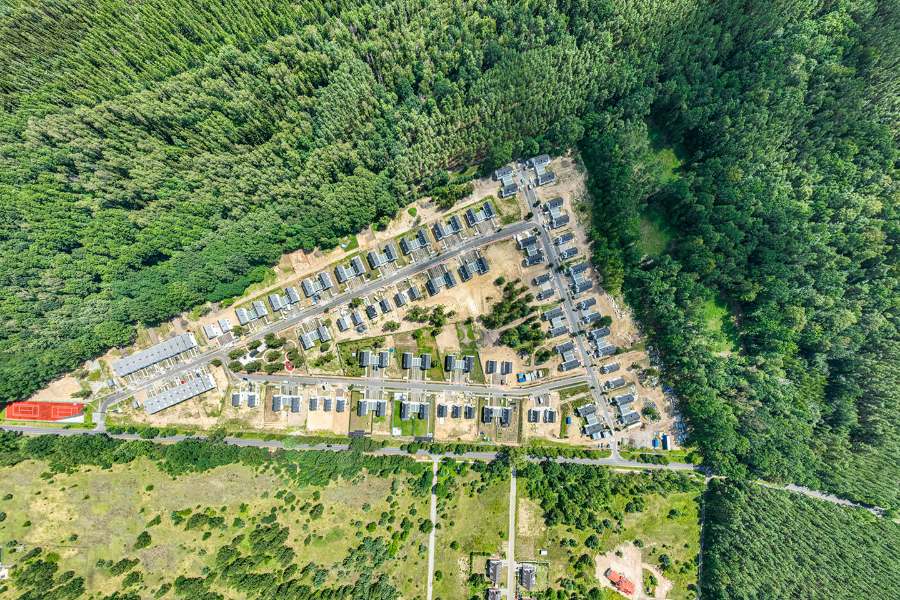
2025. Phase 1: 7,700 m² (about 82,900 sq ft). Licensed auditors issue the 103 certificates on the as-built state, registered in the national register and valid to 2035: EP 34 to 46 kWh/m²·year, by certificate-based calculation about 74% lower non-renewable primary energy demand than the Polish single-family benchmark, and 1.8 times below the legal maximum. For the estate, about 186 t of CO₂ a year not emitted, calculated from the certificates. The PLGBC distinction, in the category sustainable single-family development, is "for prefabrication, energy efficiency and pro-health solutions". In October, the founder gives the keynote at CREtech New York.
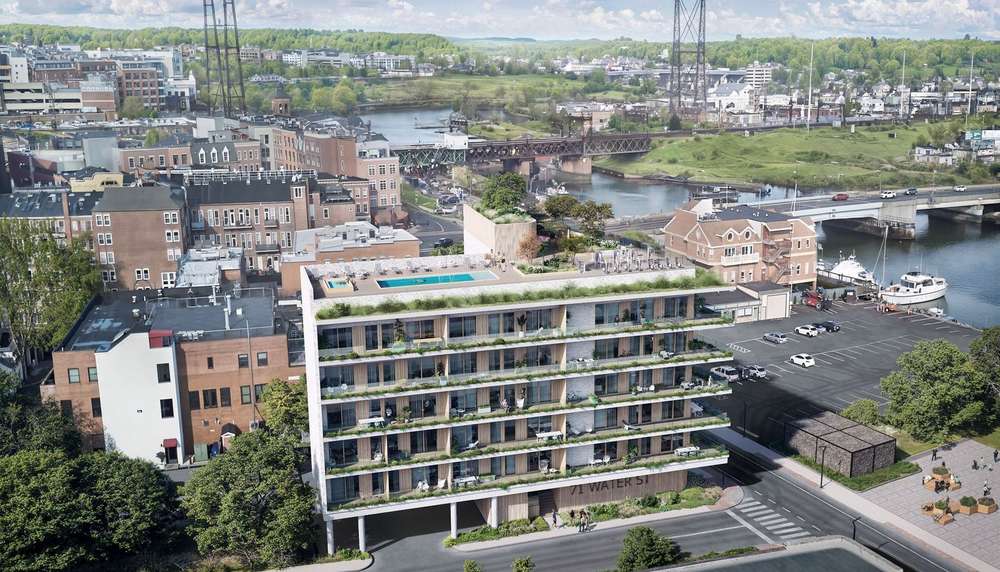
2026, the United States. The model is one state, one factory. Partners are being identified in New York and Connecticut, Florida, California and Arizona, and Texas; the founder speaks at Advancing Prefab in Dallas and at NYU Stern in New York, and URBA exhibits at Modular World in Las Vegas. Beside the entry, Water Street in Norwalk, Connecticut: a modular multifamily building designed by URBA Architects with UCUBER modules.
2026, the projects in the ground. Nowe Brzesko is in Małopolskie. The group's own projects today: Wola Village (phase 1 delivered, further phases planned; 300+ homes in the whole masterplan) and L-Village (Liszki), a village of over 1,000,000 sq ft, in progress; Lagom, catalog homes on sale, permit issued; K Street in Katowice, in preparation, building permit applied for; R3 Apartments and Wielicka Living in preparation; Friedrichskoog, Bremervörde and Zingst in Germany; Bad Malente, planned in 3D modules. Zingst, on the Baltic coast, is an URBA Quell development: four three-story houses, started in 2025, the shell rising in 2026.
Bring a project, and build it locally.
Builders gain capacity, families get a better home, and every project makes the next one better.