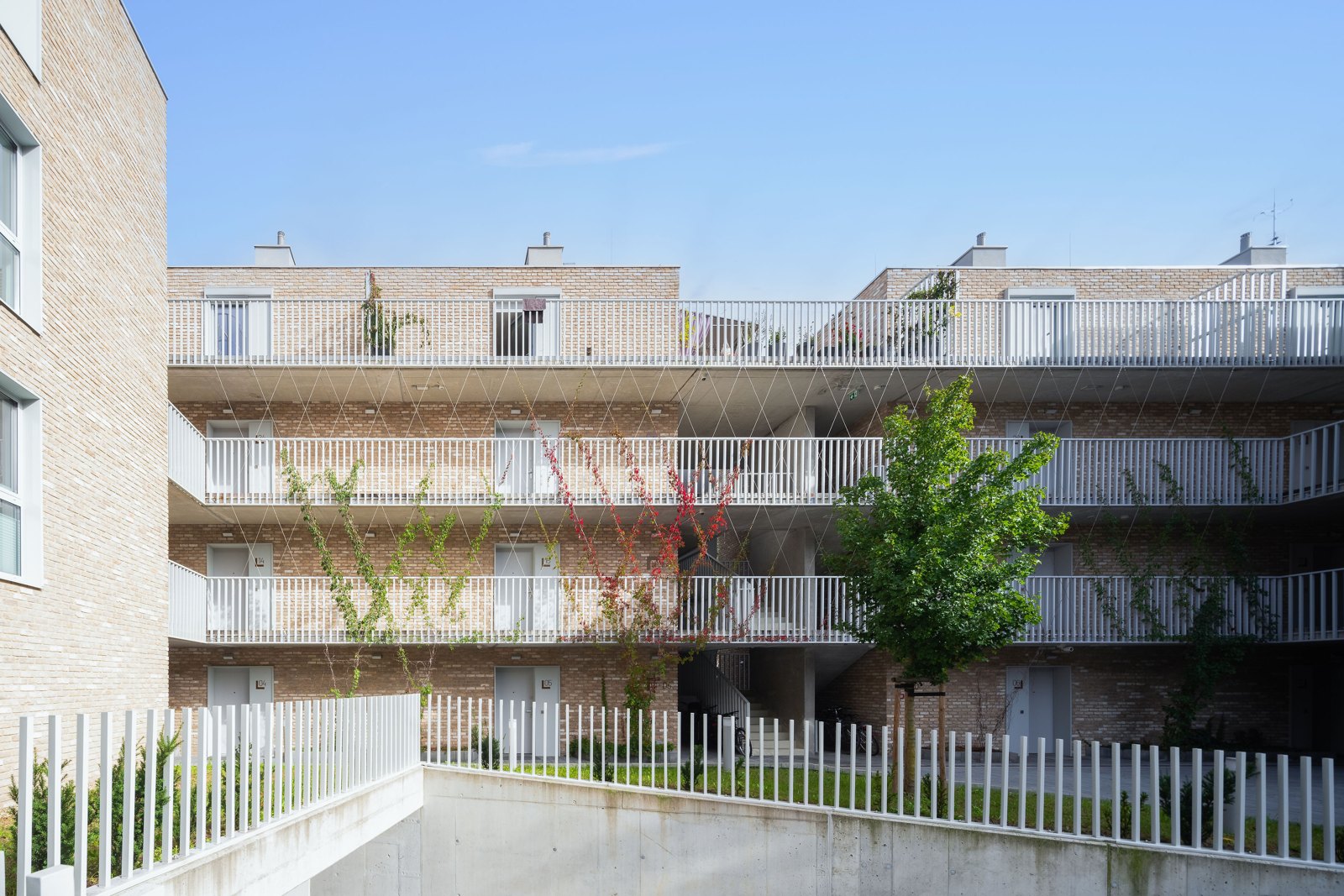
URBA · Wola Village
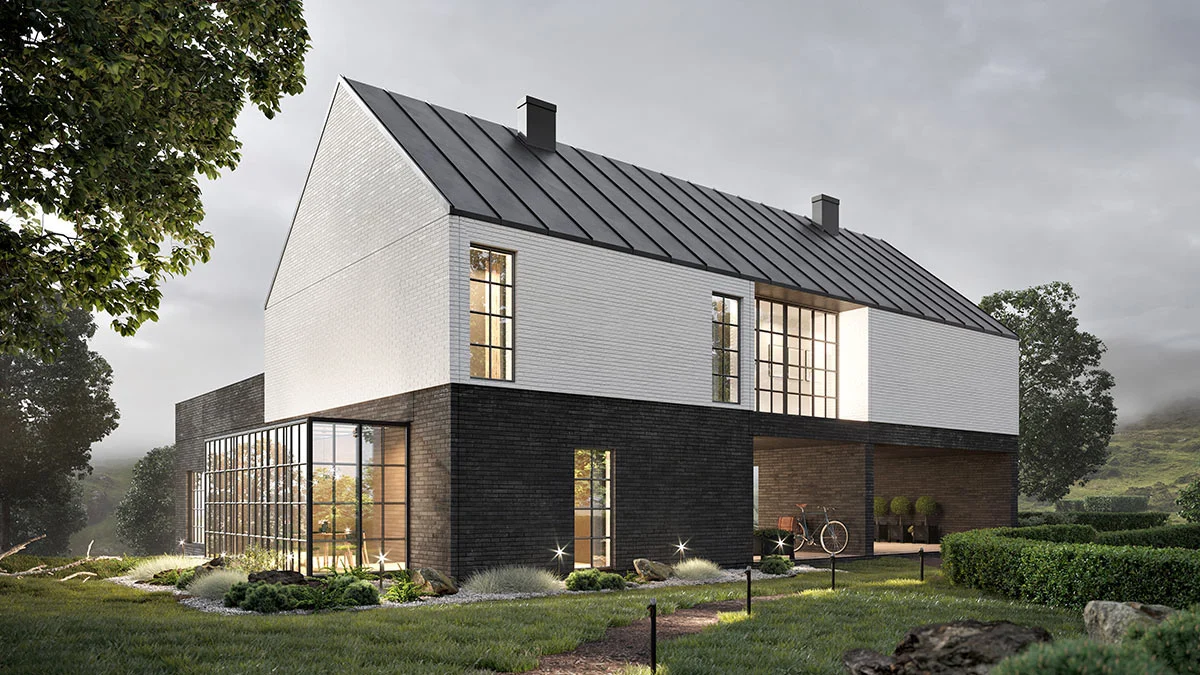
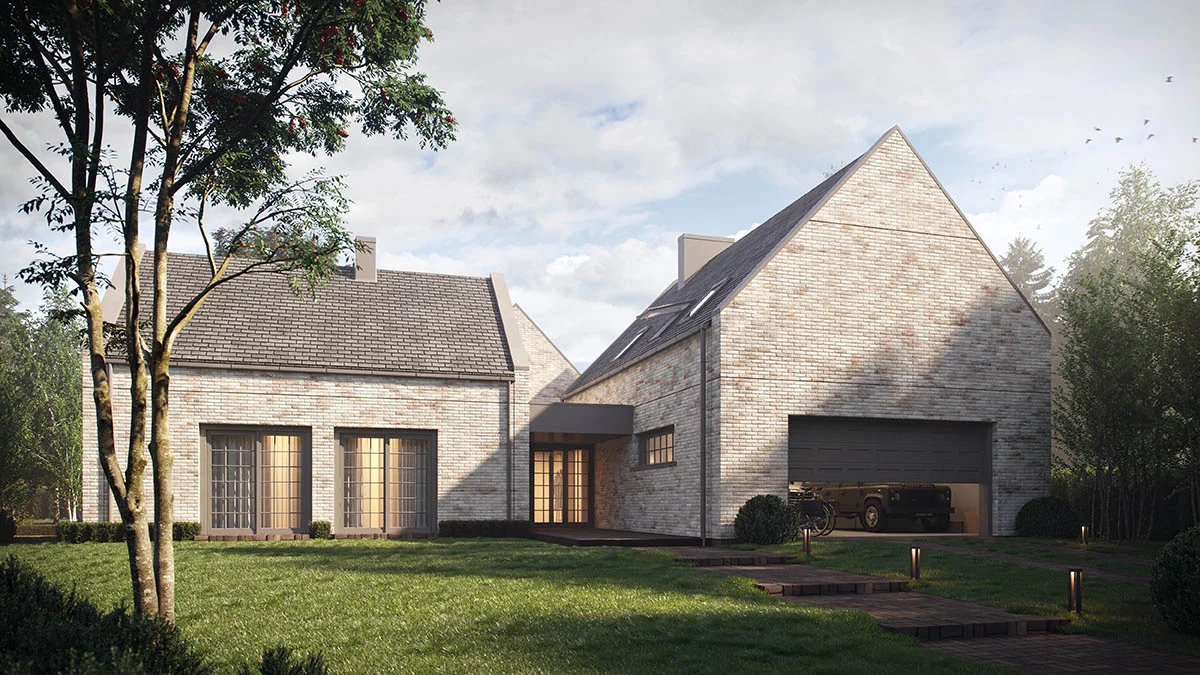
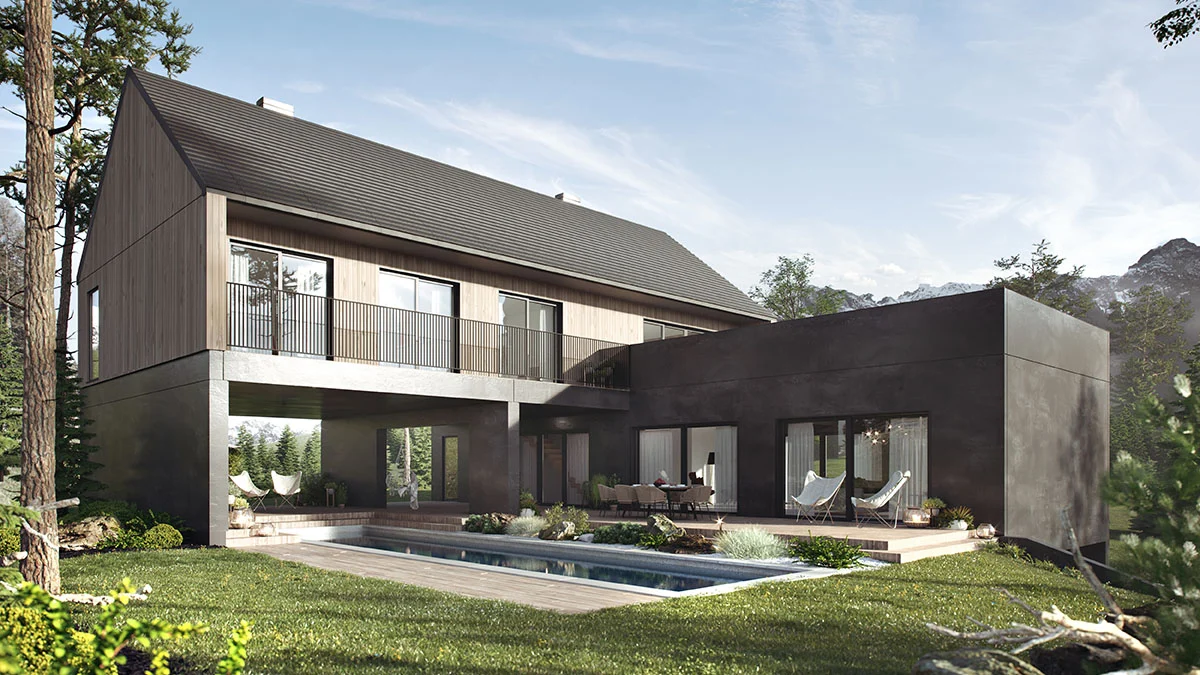
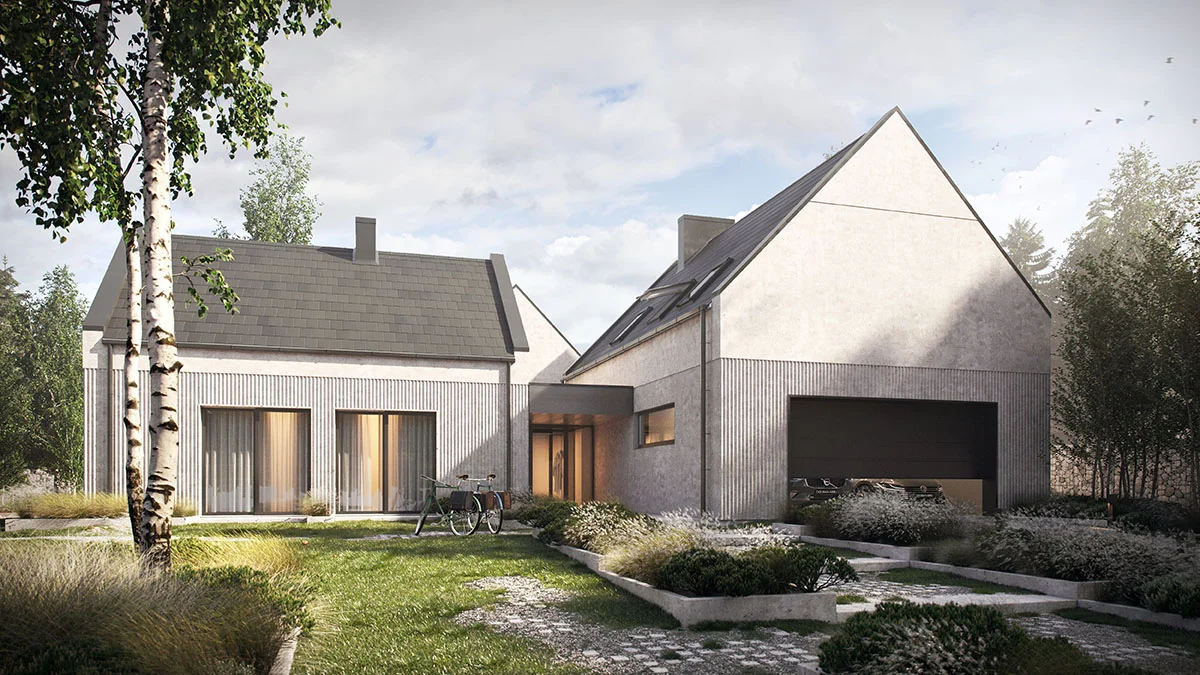
For a family
A home that stands and costs less to live in.
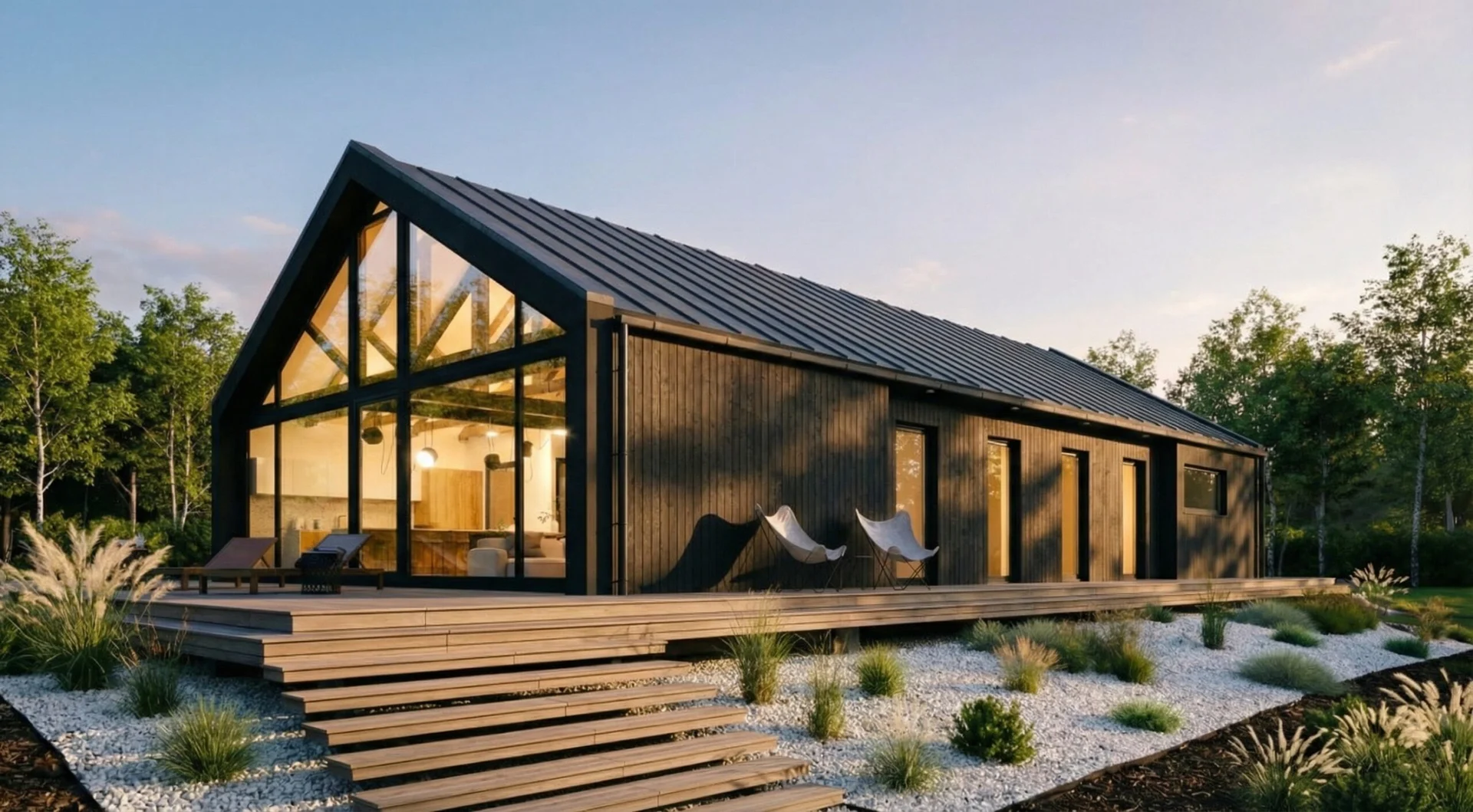
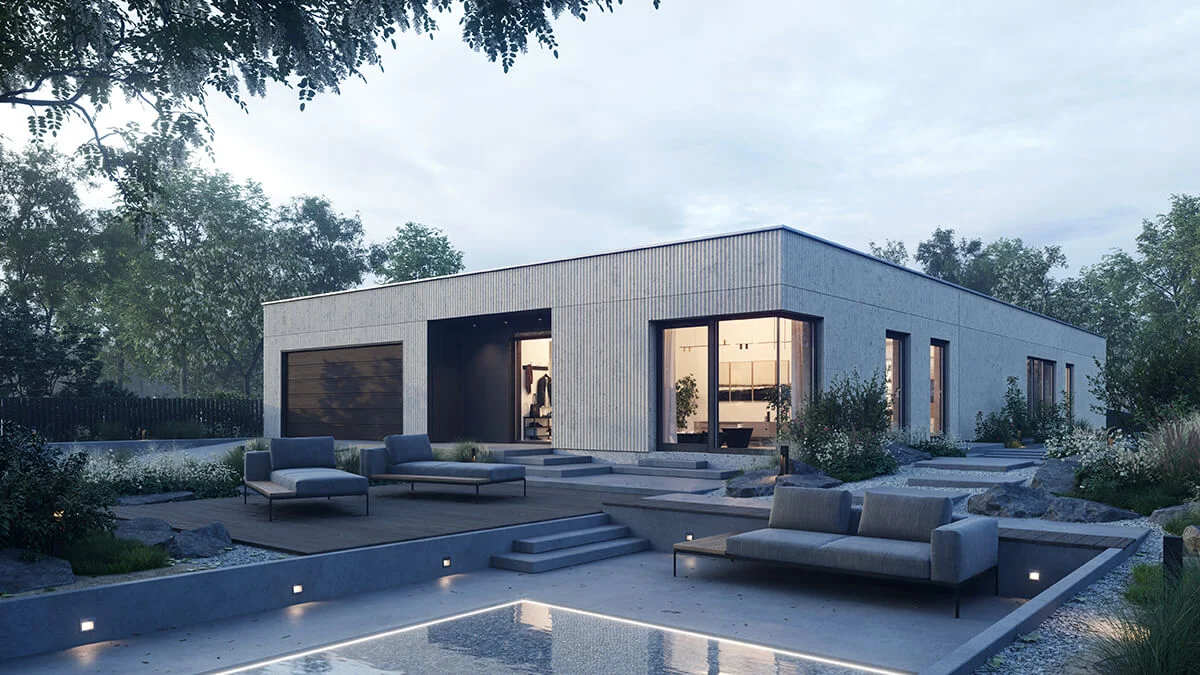
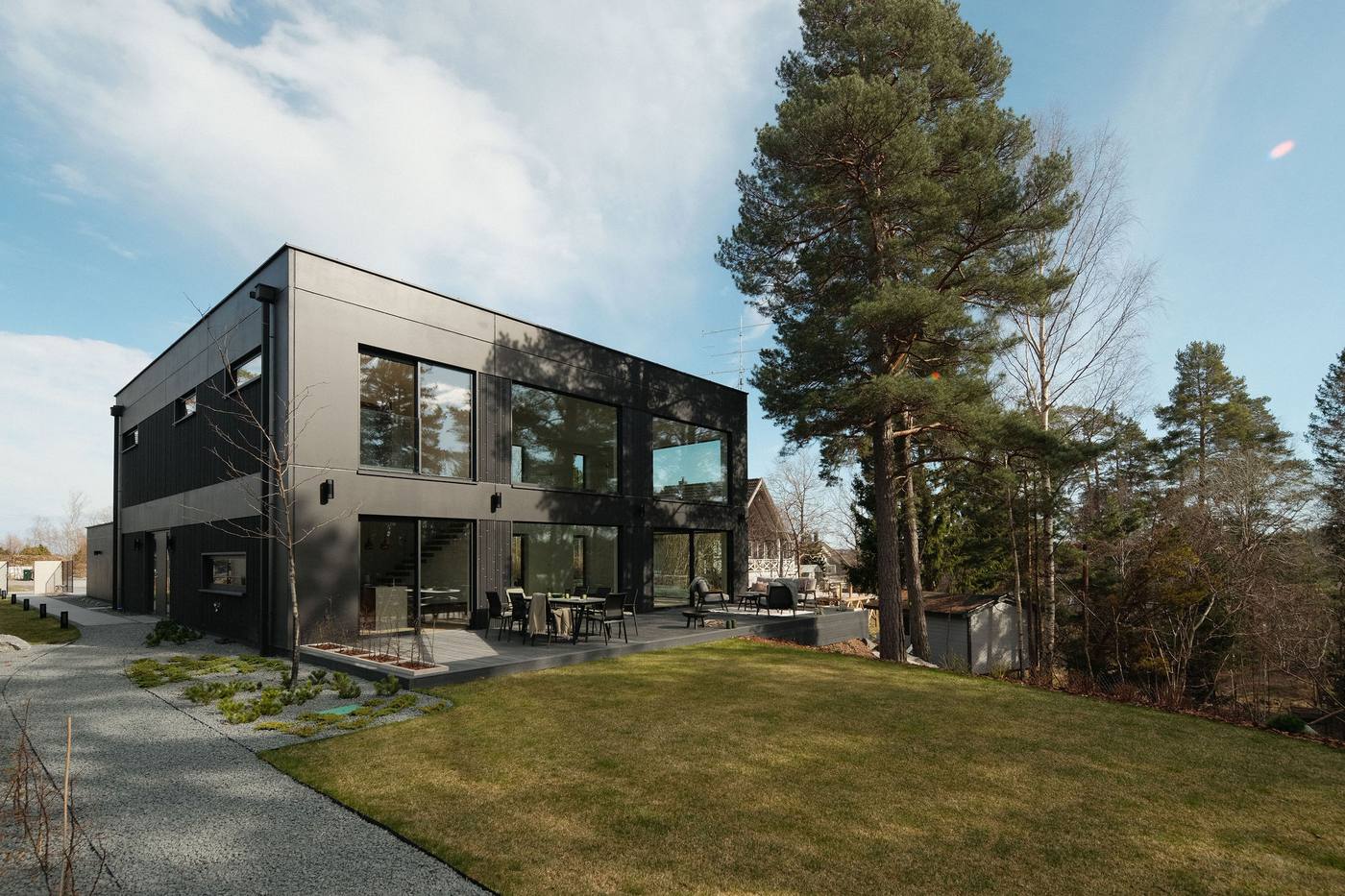
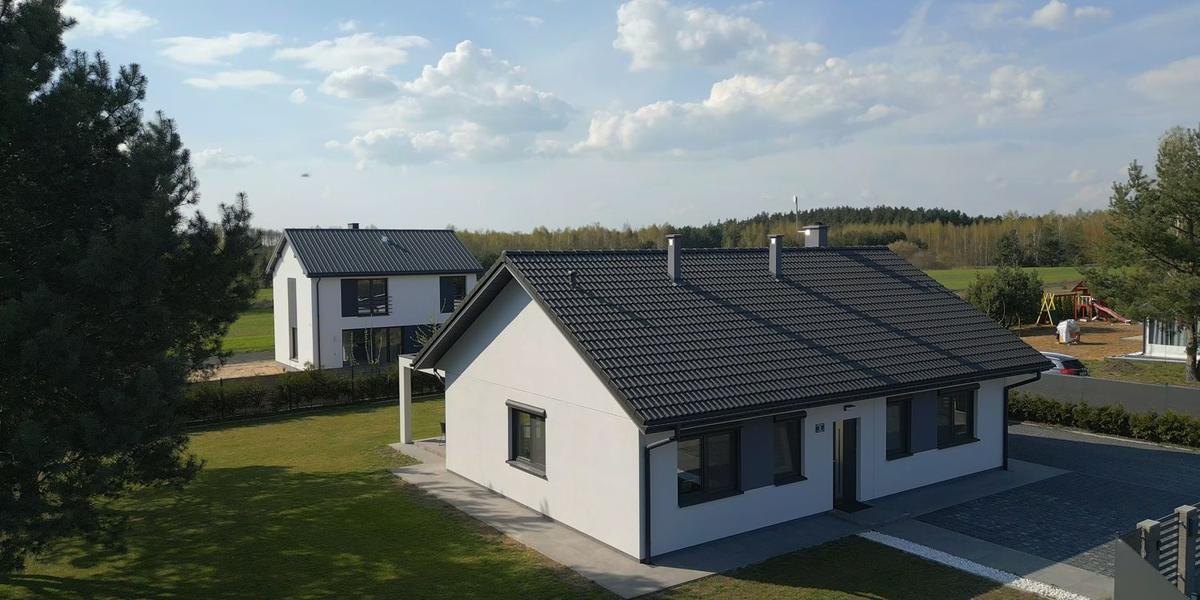
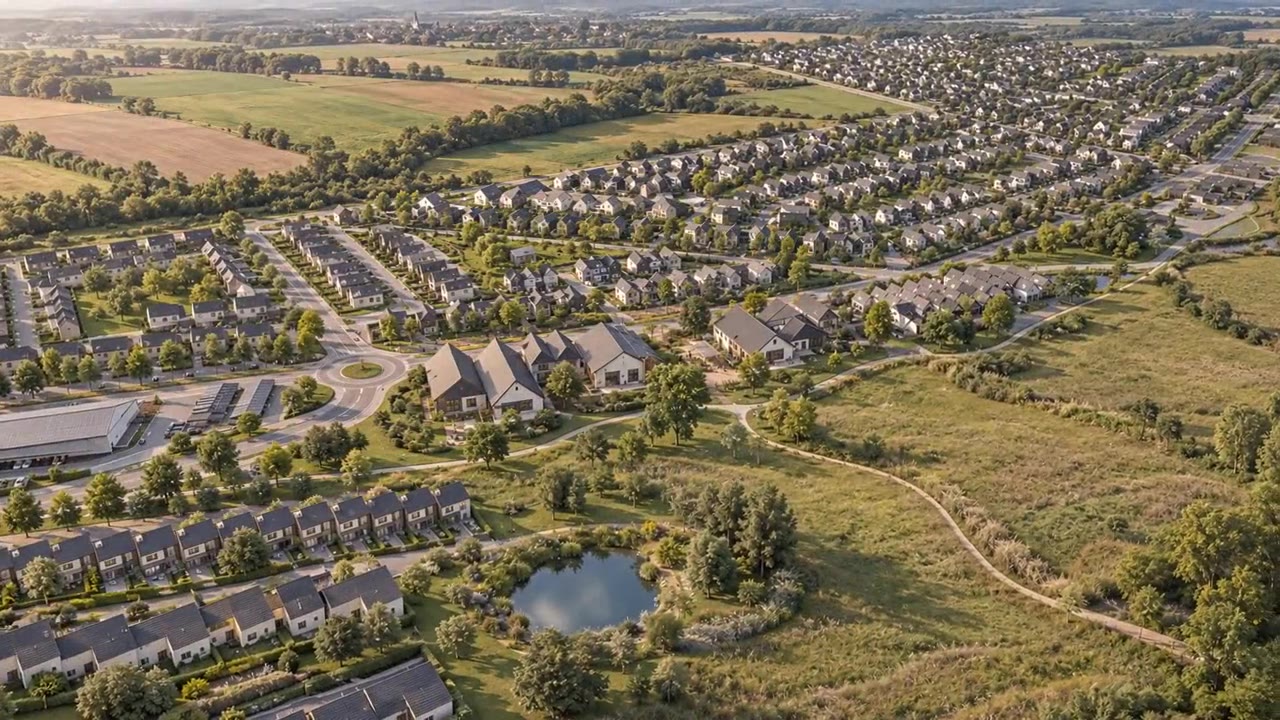
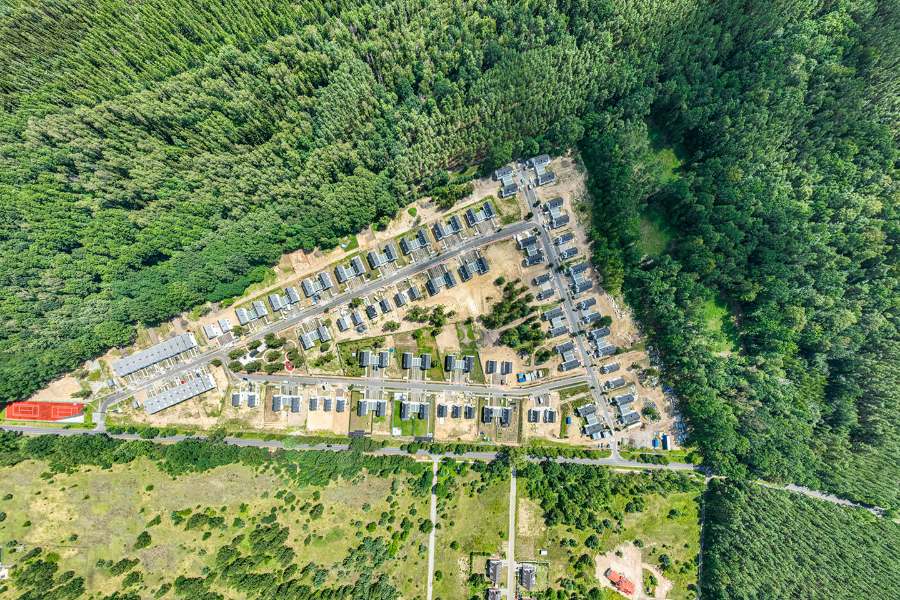
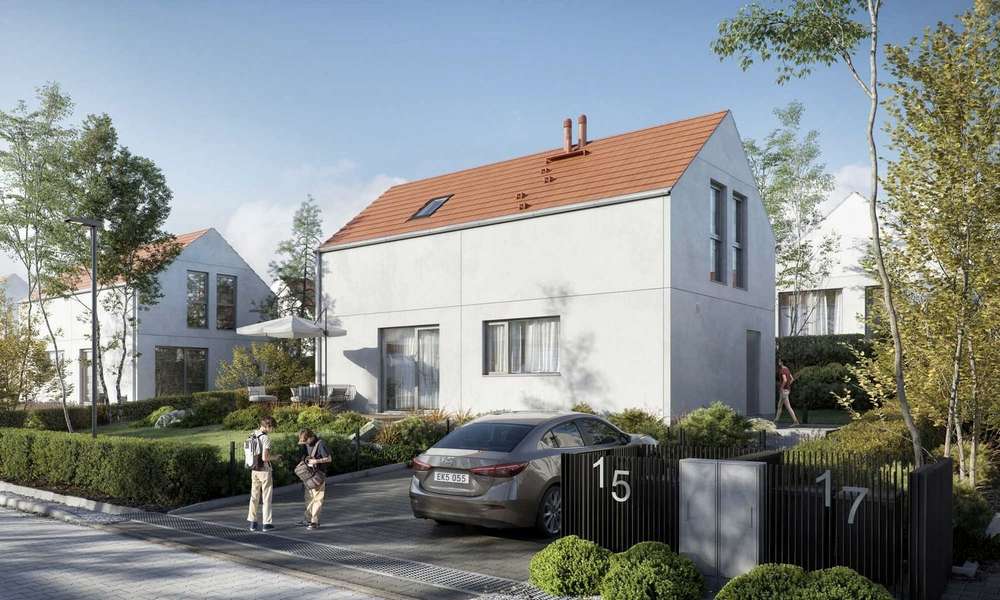
Choose from thirty-five designs for your plot, see the price before you order and move in about six months. Or buy a home in a village or neighborhood developed by URBA.
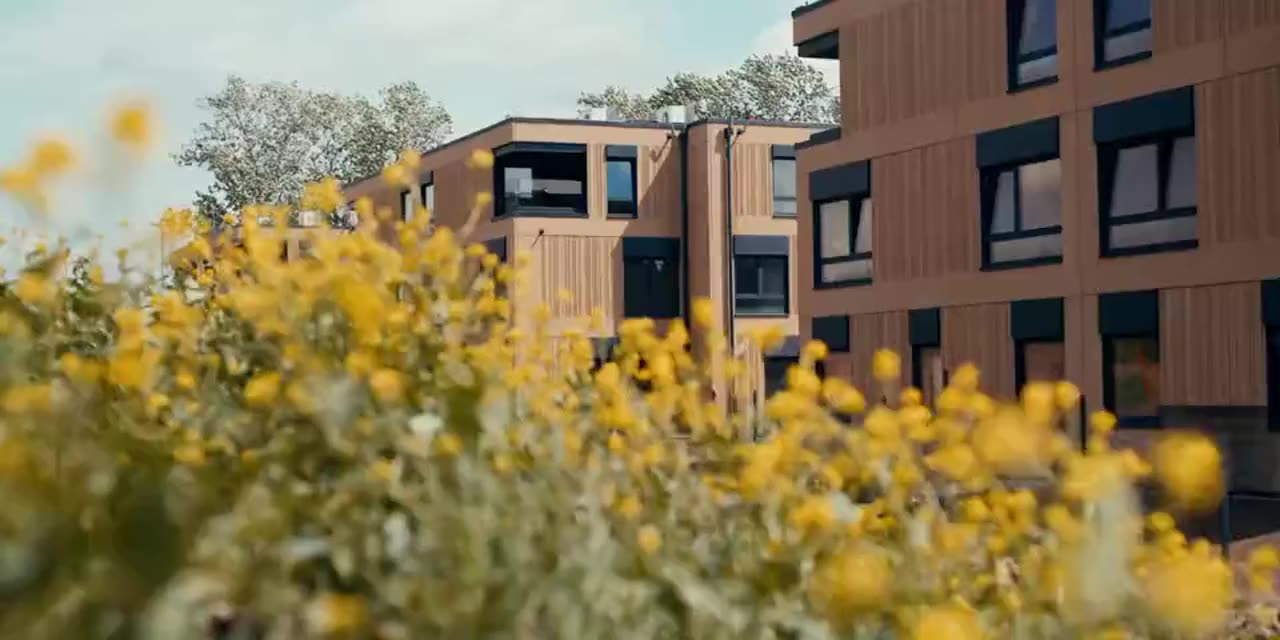
Homes that outlast fire, wind and time, made in a factory and set on the plot in days. For families, for the builders who deliver them, for whole neighborhoods.
Made in a factory and set on the plot in days: for the family who will live in it, the builder who delivers it, and the developer who plans the neighborhood.
Choose from thirty-five designs for your plot, see the price before you order and move in about six months. Or buy a home in a village or neighborhood developed by URBA.
Build with finished wall panels, an agreed price and delivery date. Train for up to two weeks, then take on assembly work. You keep running your own company.
A project: a plot, a masterplan or a design in progress; URBA answers with the technology, the price and the delivery. Or a pipeline: from about 350 homes a year, a franchise factory with URBA in your region.
For a century the choice was solid but slow, or fast but fragile, and a home that lasts became something you pay extra for.
Homes arrive late, cost more than promised, and too few survive what the climate now sends. Not because the technology is missing. Because the way homes are made never changed: design, manufacturing and site work are separate businesses, each optimizing its own piece.
A home that burns is the extreme case. The everyday one costs more to heat than it should and arrives later than promised.
A builder cannot promise a date or a price he does not control. The gap between the two is where his margin goes.
Too few homes are delivered, and too much of each one depends on fragmented, unpredictable work. Scarcity is made, not found.
Europe builds solid but slow. America builds fast but fragile. URBA built in both, then put development, architecture, manufacturing, construction and software in one hand. The date and the price are kept by the people who set them.
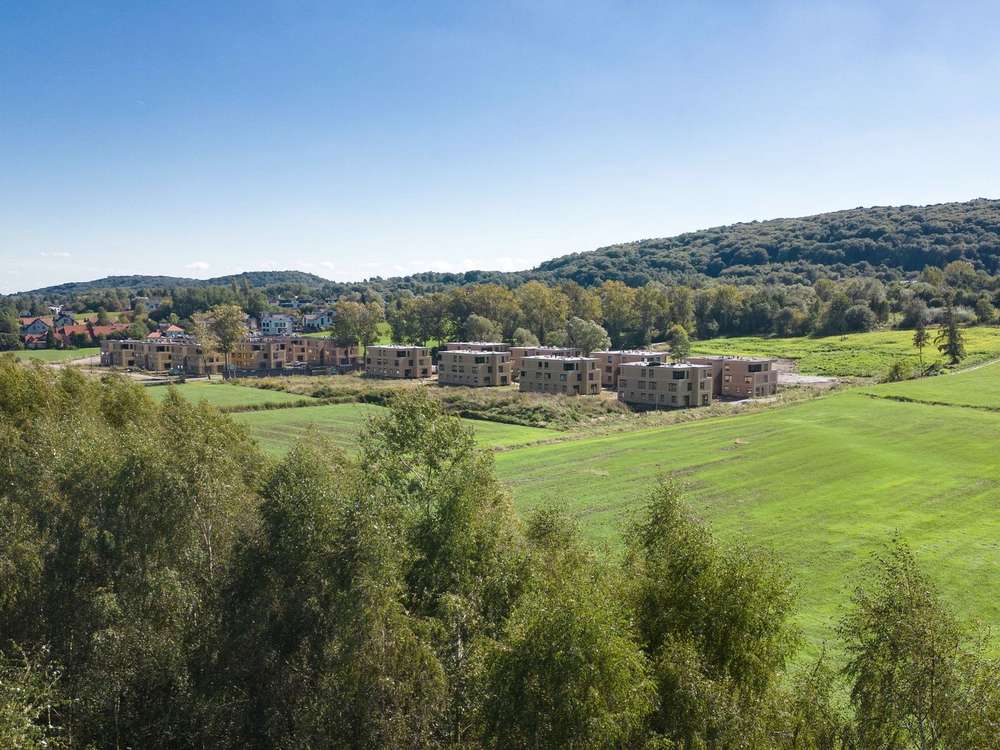
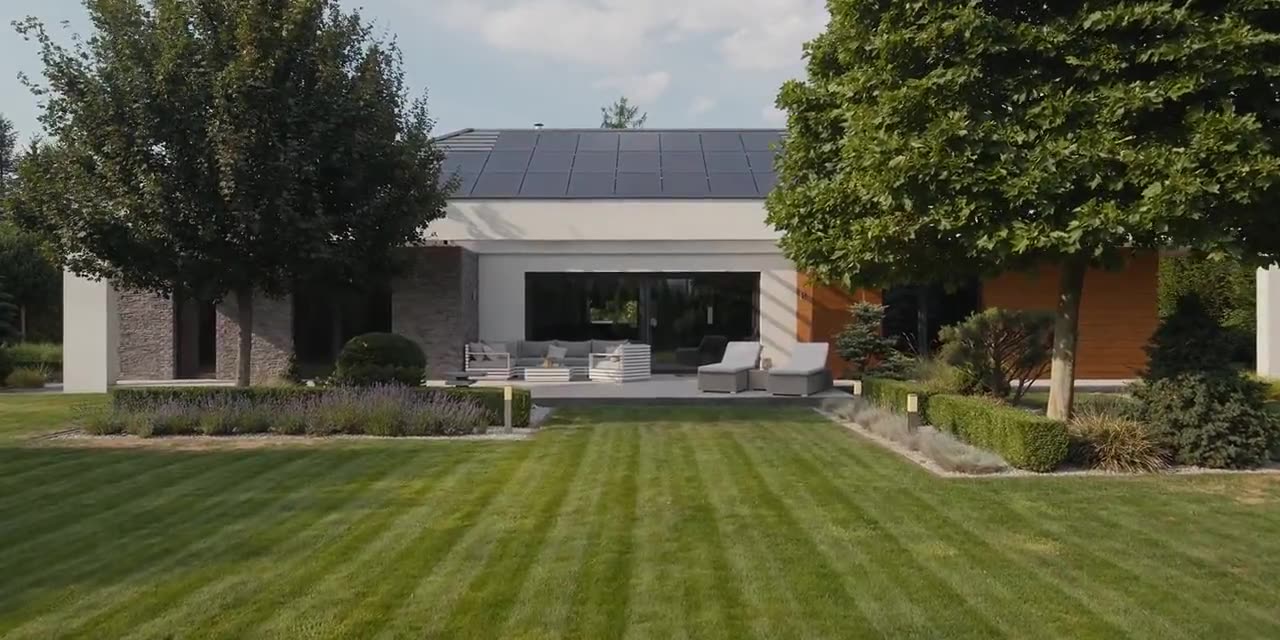
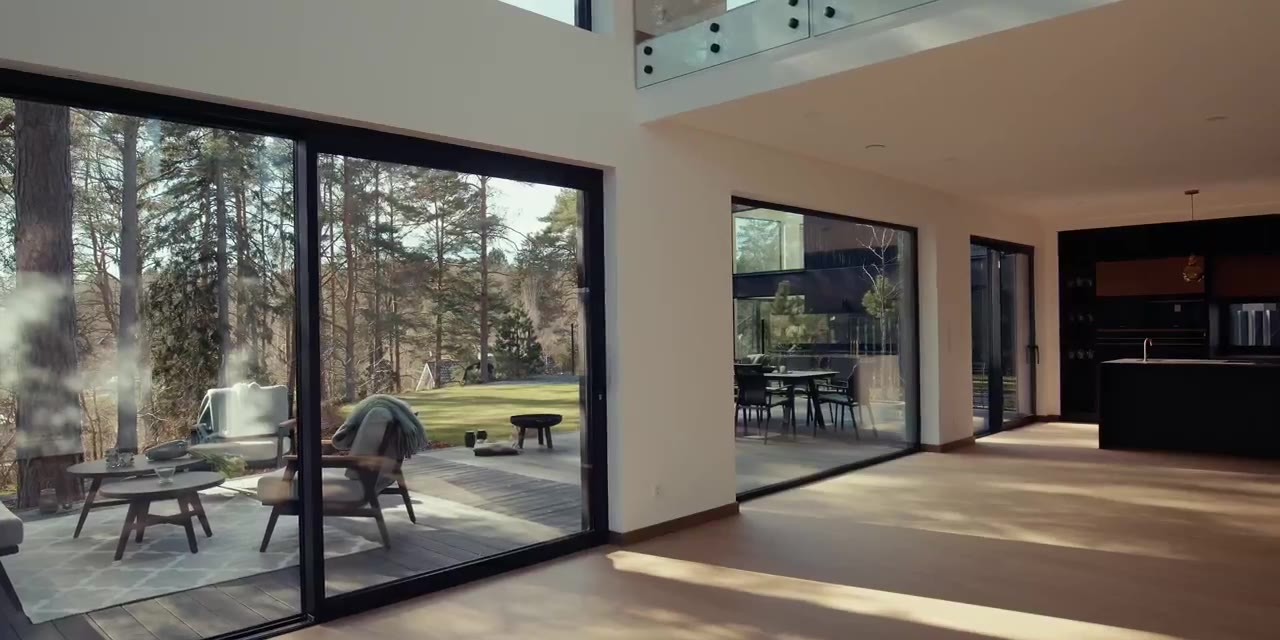
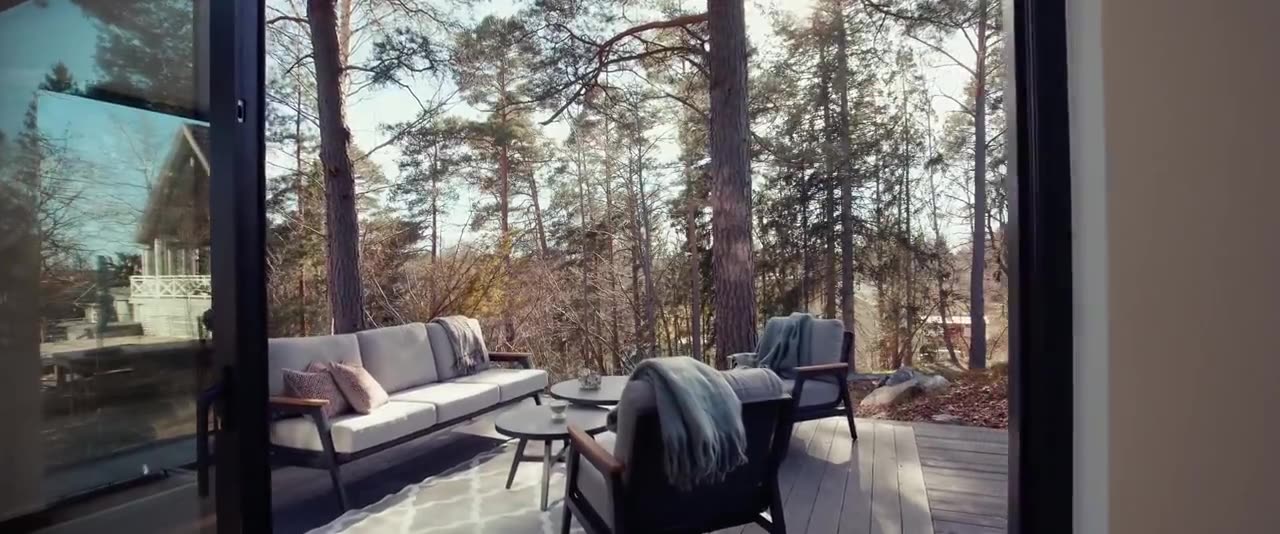
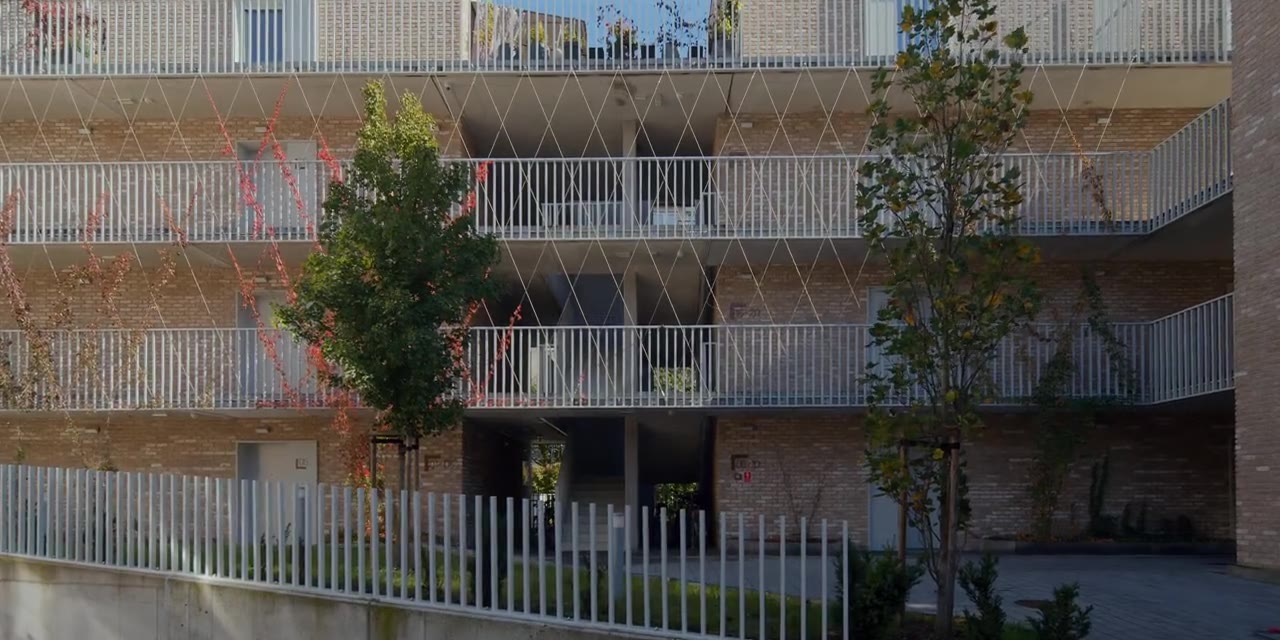
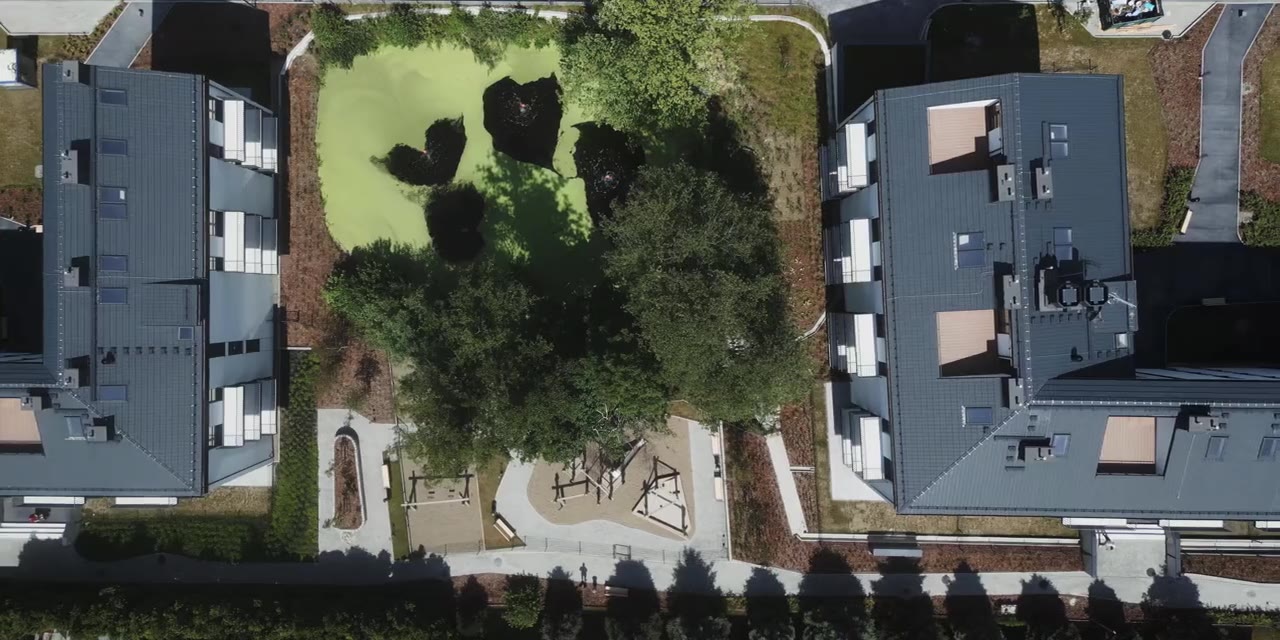
About 1,000 homes a year, in a country of 35 million.
Four projects, each told three ways: for the county, for families, for builders.
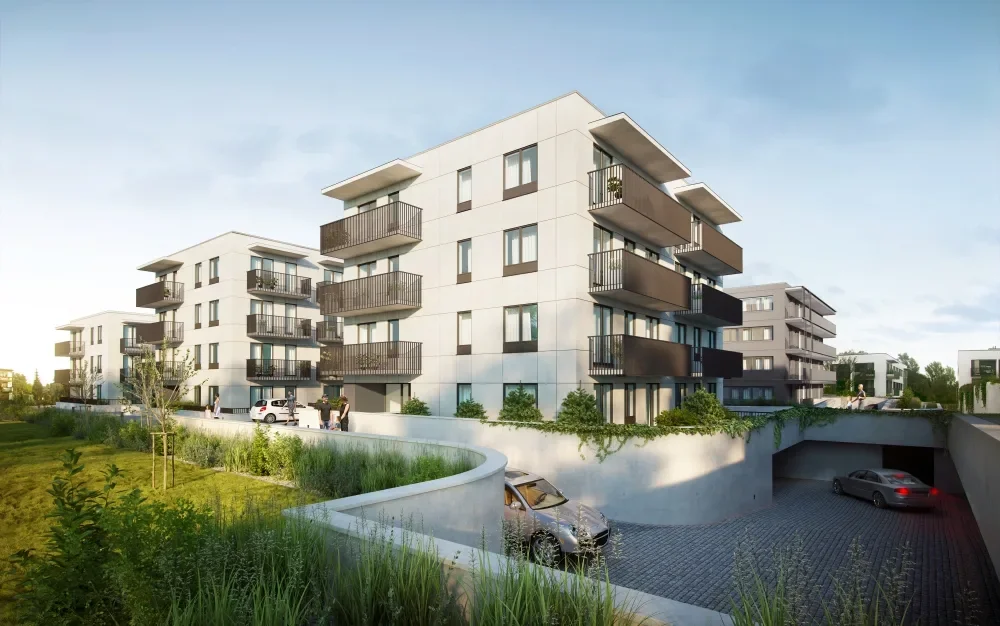
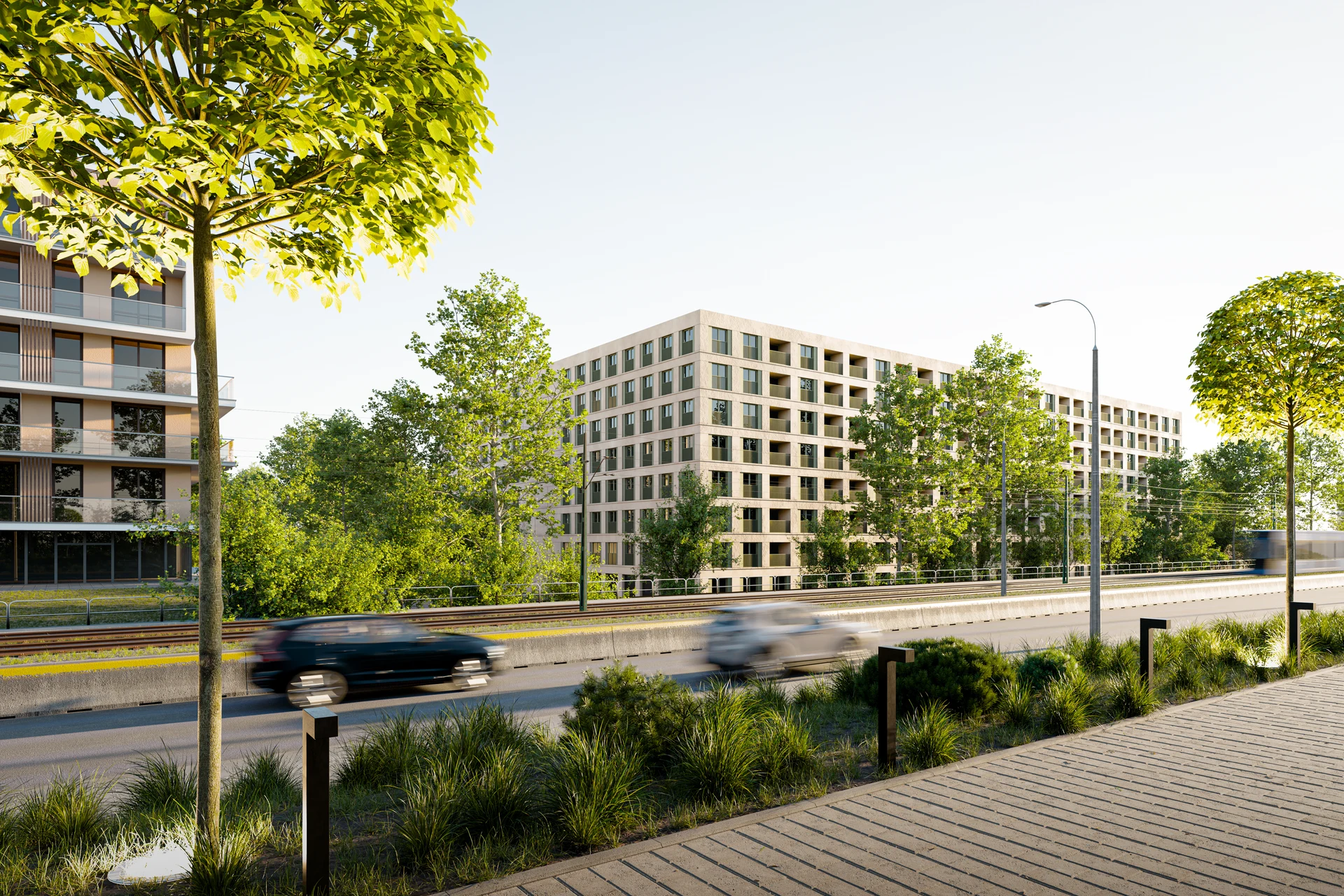
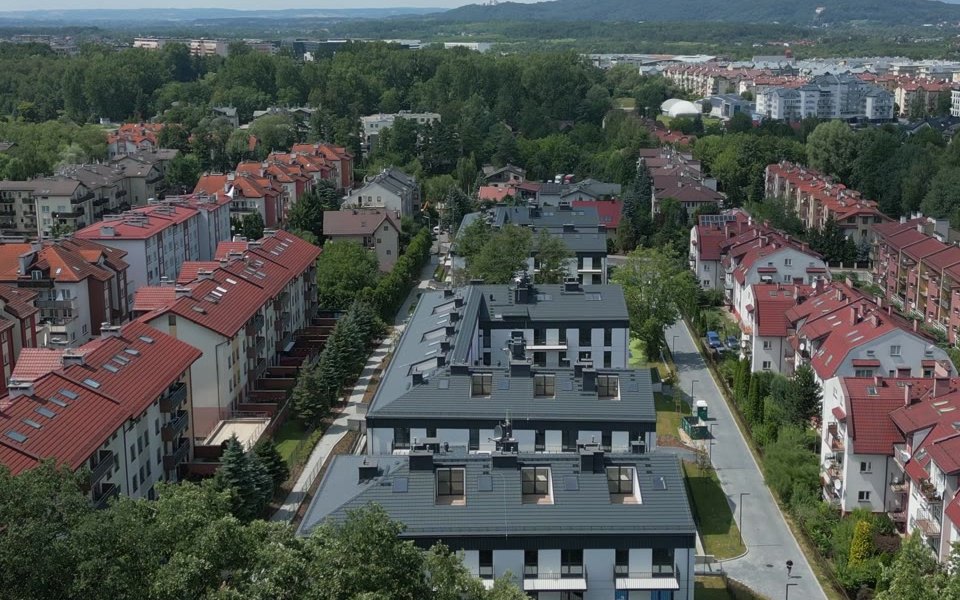
URBA Haven Wola Village URBA Enclave L-VillageTwo technologies from one group. 2D: reinforced-concrete walls, floors and roofs cast flat in Zduńska Wola and raised on the plot. 3D: whole rooms finished in the Kraków hall and set by crane. The building decides which, or both.
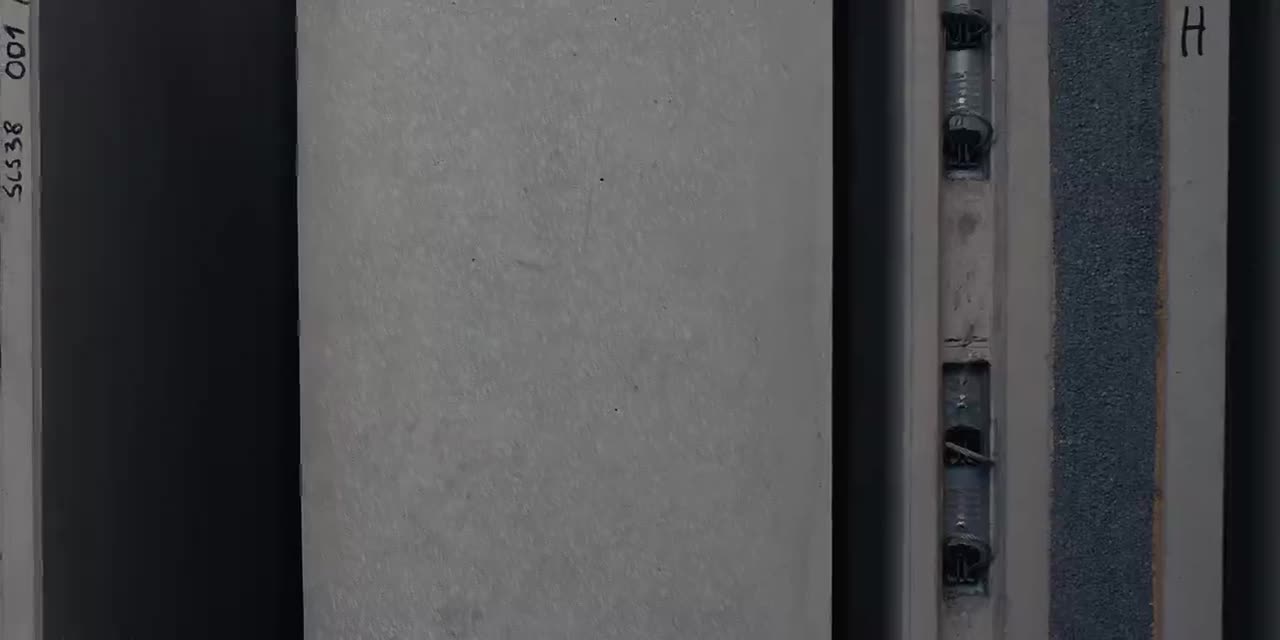
Reinforced concrete outside, insulation inside, the facade already on. The wall of the catalog homes and of URBA Haven.
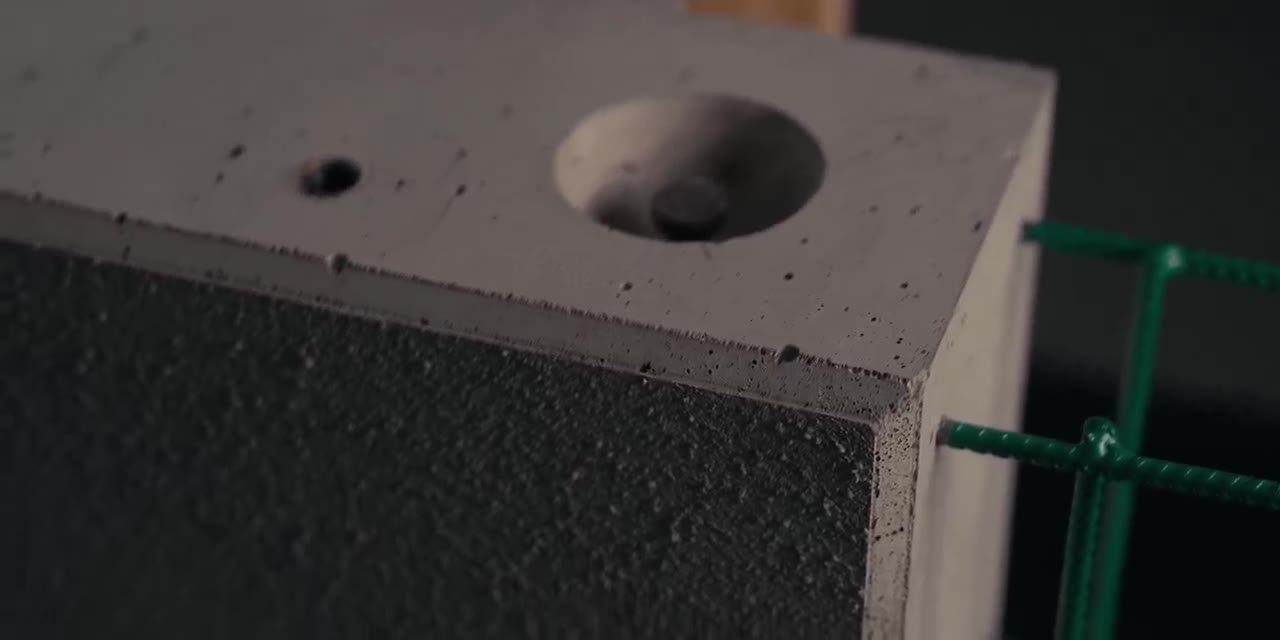
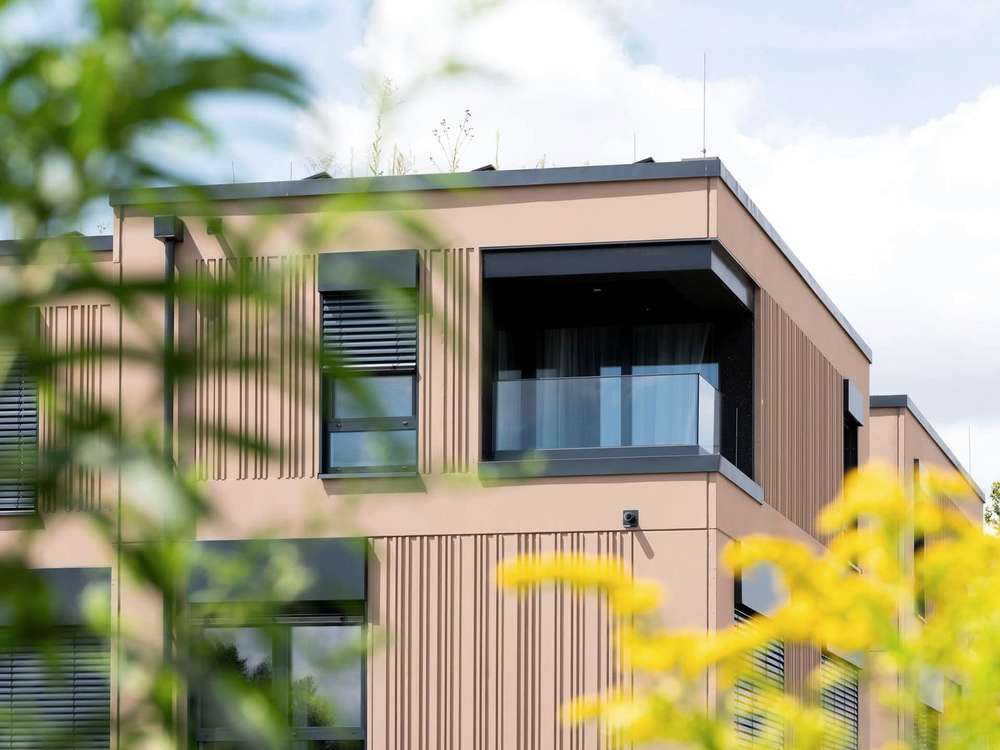
Concrete on both faces, insulation in the core, 59 dB between apartments. The wall of Wola Village.

Relief, texture and color are cast into the concrete, not coated on. Nothing on site that the factory could do better.
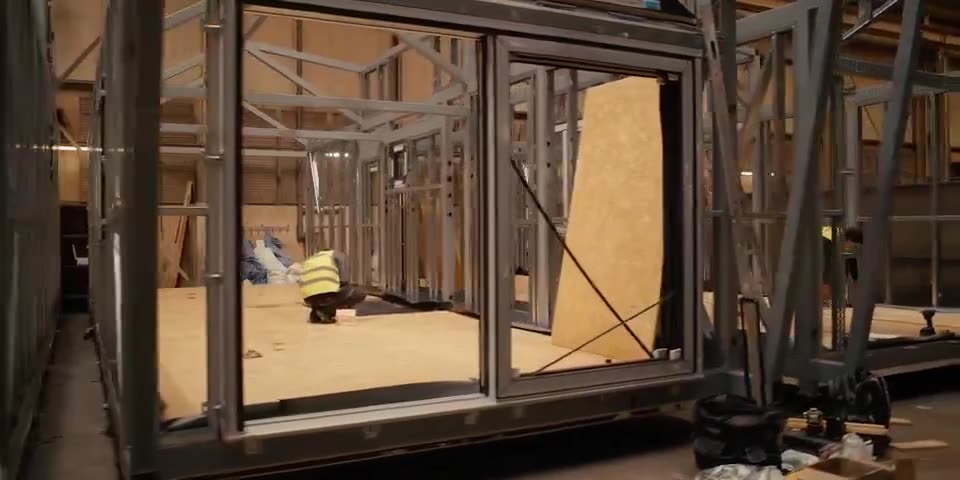
Steel-frame modules with facade, interiors, wiring, plumbing and HVAC complete. For hotels, student housing, multifamily, homes.
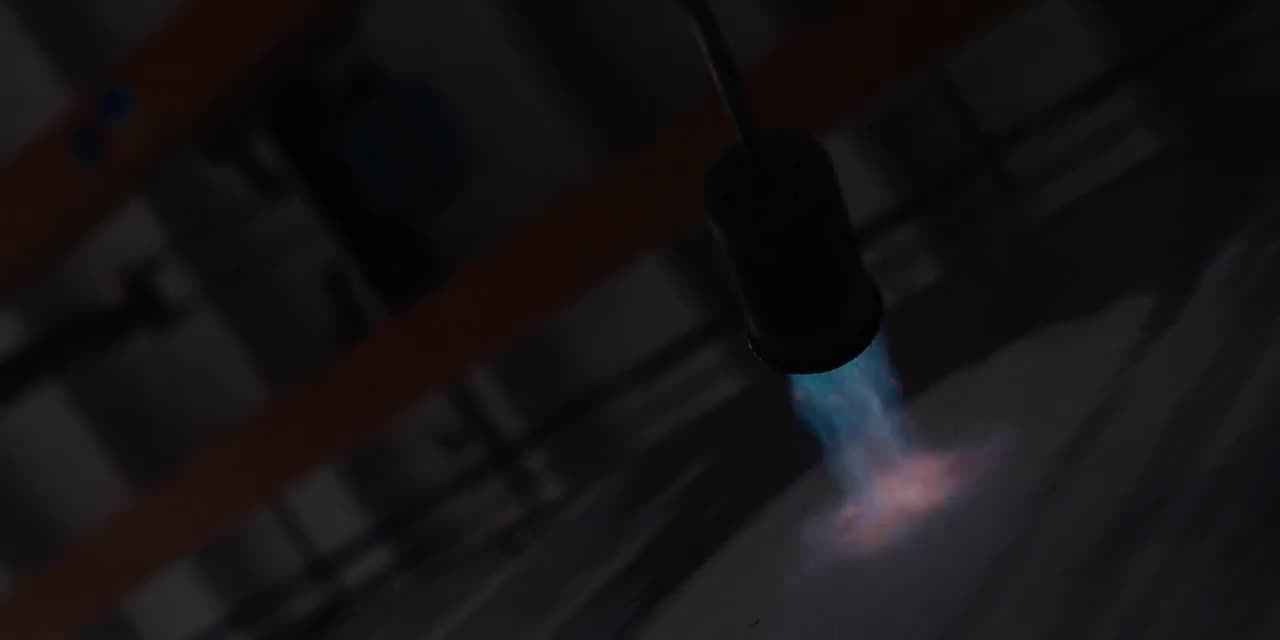
Module assemblies can provide up to four hours of fire resistance (REI 240). The rating is documented for each project.
 AI
The frame takes the forces as one piece. Corrosion classes C2 to C5-M, airtightness sealed in the factory, up to 63 dB.
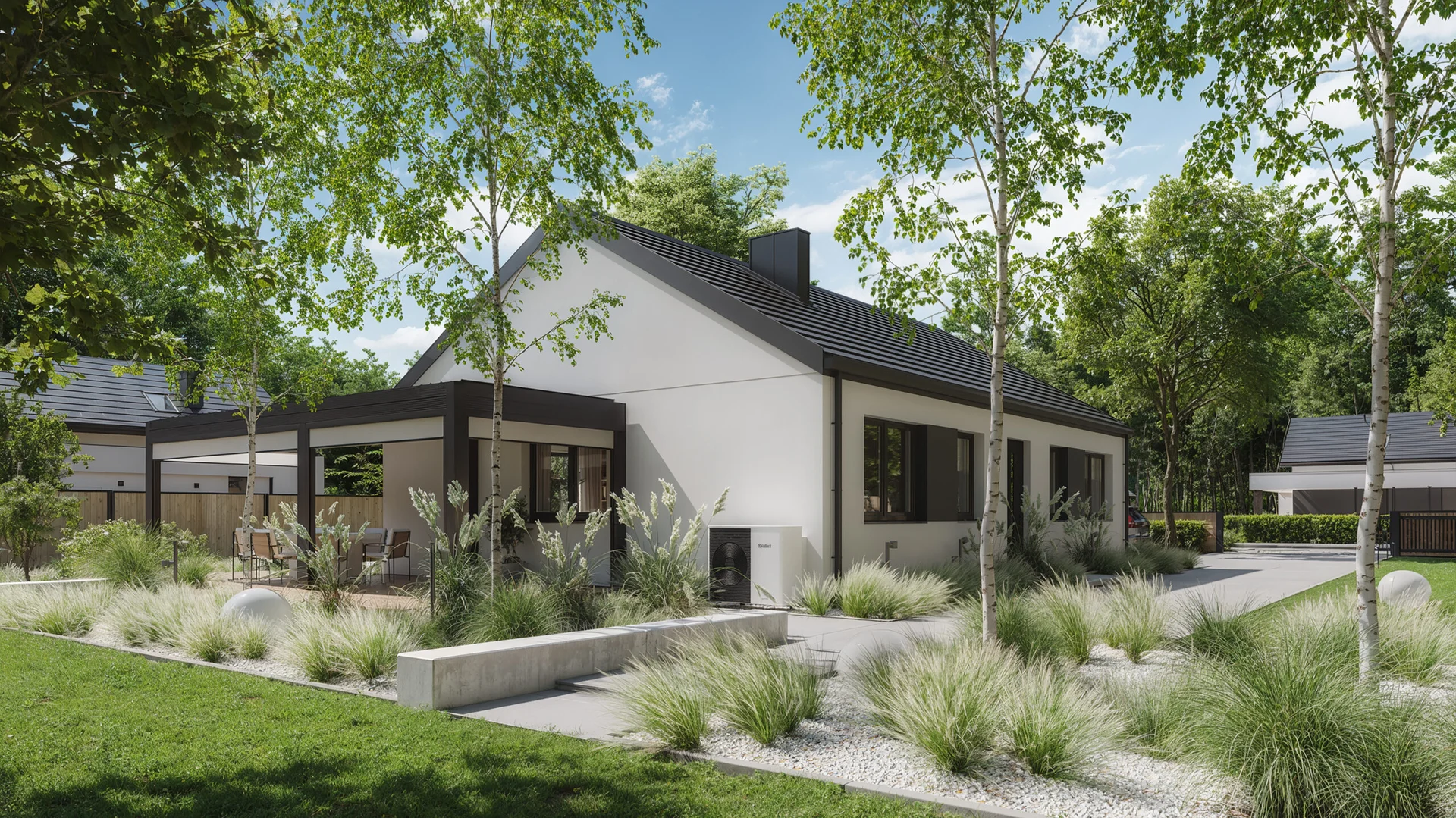
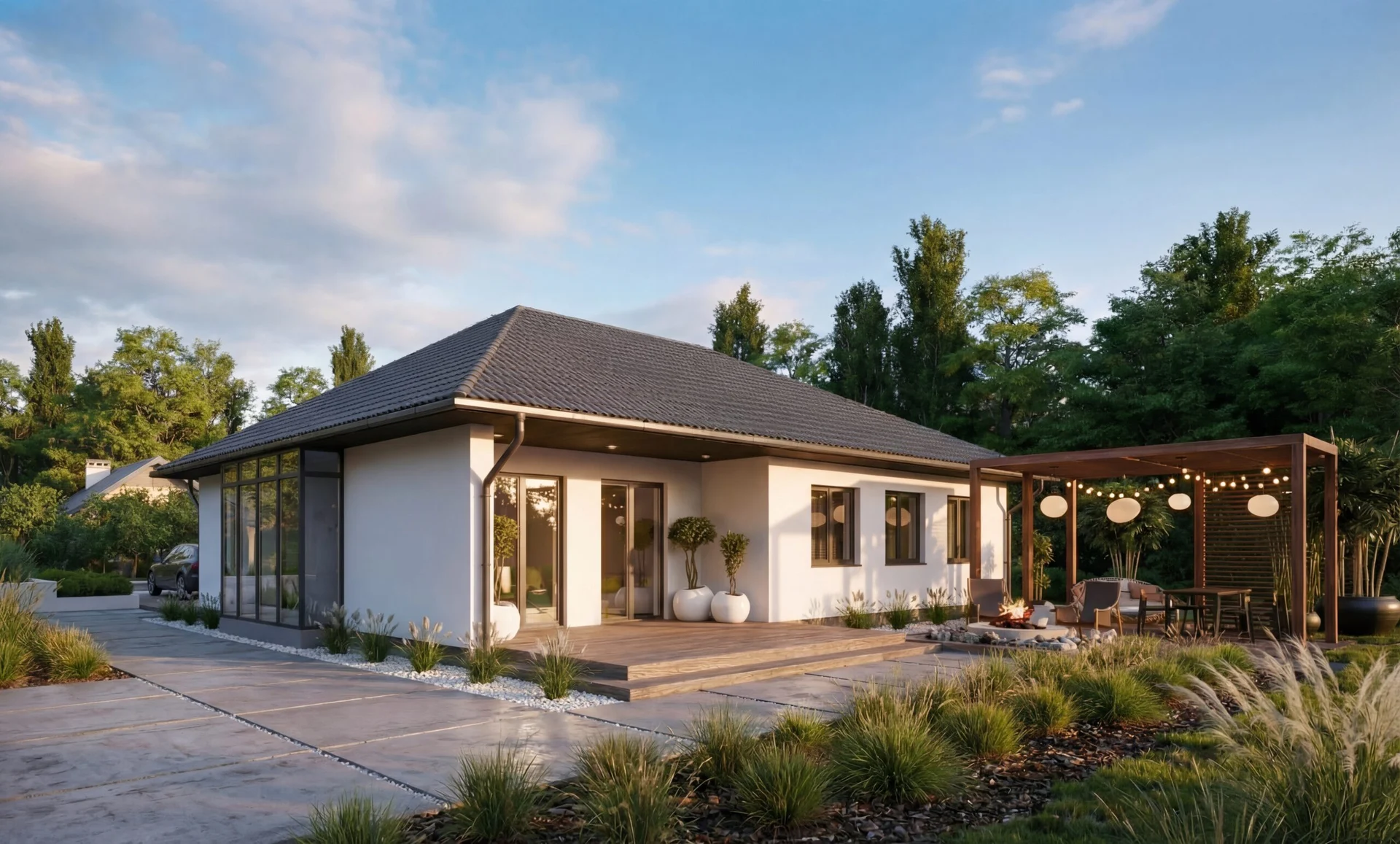
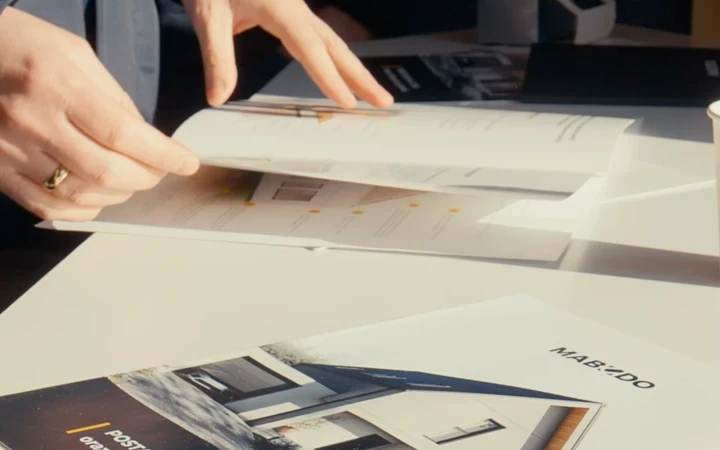
Thirty-five designs in four families. Pick one, choose the package and the options, and the total on the screen is the contract total. Sold this way in Poland today; the U.S. models are in development on the same system.
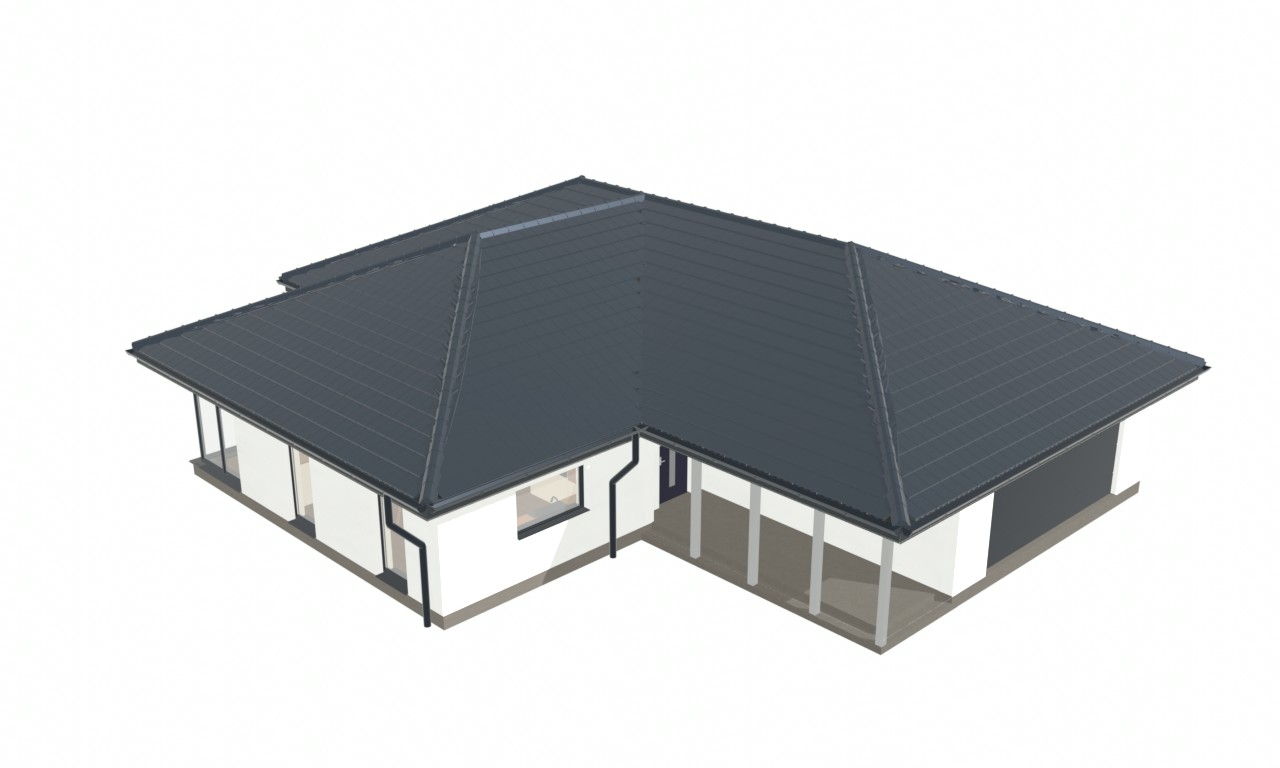
The MABUDO catalog as it is sold in Poland today (mabudo.com); prices in your market, indicative. The U.S. version is in preparation.
Eight homes from the catalog on one street, seen from the sidewalk. Explore the street full screen, scroll between homes, then open the one you would build.
The street and the walk along it are AI visualizations of MABUDO designs. The surroundings and landscaping are illustrative, not an existing development. What each home includes is set by its contract and design documentation.
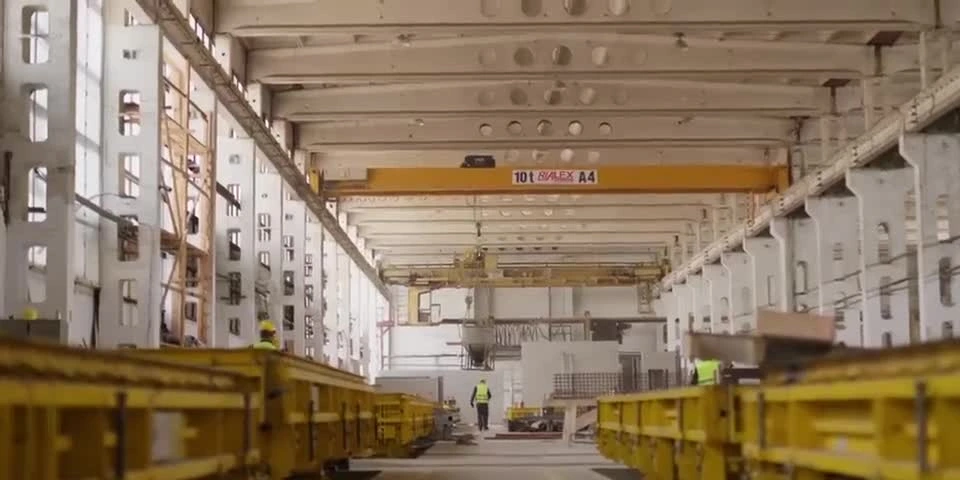
The walls are cast indoors while the foundations, utilities and permits move on site. One crane, five people, a structure in five days, watertight in fifteen. A catalog home on the plot within ninety days of the permit.
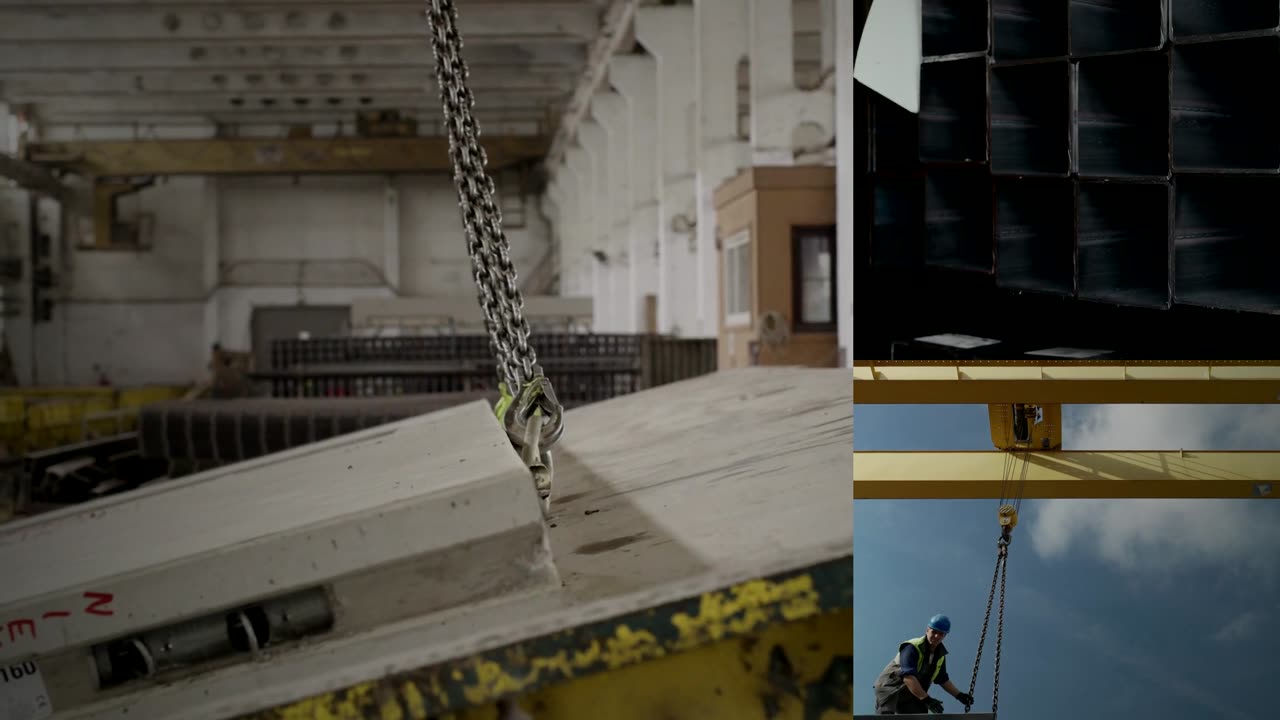
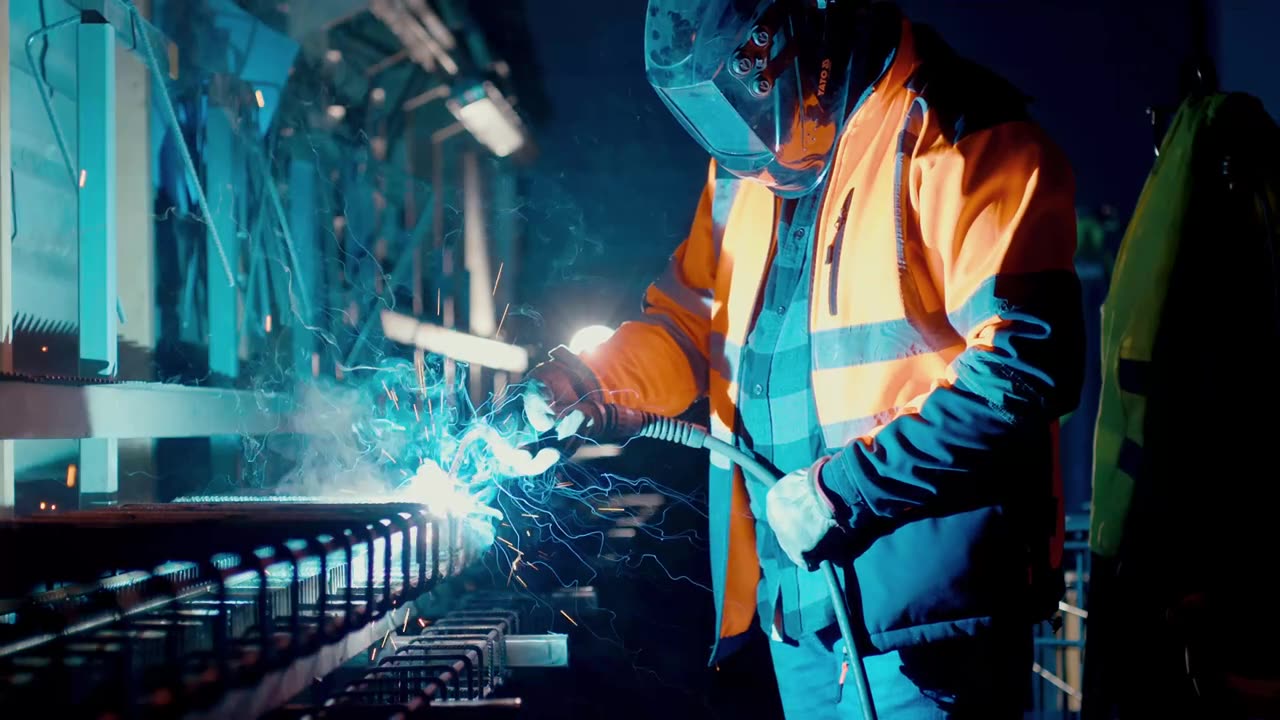
Production is planned weekly against released drawings; no element is set down twice. Zduńska Wola and Kraków working, Nowe Brzesko being built; Factory #1 designed in Bethel, Connecticut.
A 50 to 80 ton crane sets the finished walls on the foundation. The roof trusses, the covering, the windows and the doors follow; the house is closed about two weeks later. No mortars or screeds, so no months of drying.
Nothing is bought at the first step. Price, scope and date are written down before production starts. One company answers for the whole scope.
What holds in every case: the total on the screen is the contract total; one responsibility from the drawing to the keys; nobody is cut out: builders, architects and crews use better methods without giving up their role.
Three homes, in their owners’ words.
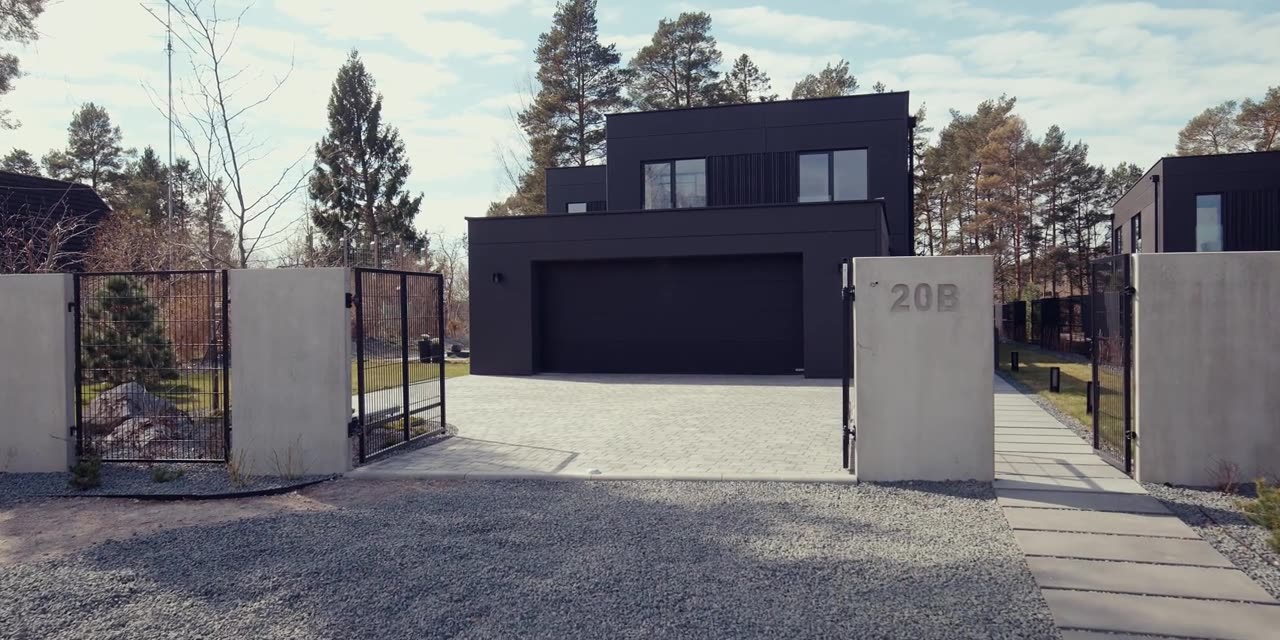
The final cost of the build didn’t differ by a single cent from the estimate I received. When signing with MABUDO you receive an estimate with guaranteed prices. Market fluctuations simply didn’t affect us.
What I really liked was that we handled so many construction matters literally within one company. I didn’t have to look for separate crews for the roof, trusses, windows or gutters. Everything was handled in one place.
Looking back, my wife and I believe it was the best decision of our lives. The house was built with very good materials, and you can tell after 15 years of living in it.
If nothing changes, homes keep burning and families keep rebuilding from scratch. The technology to stop it exists. Bring a plot, a project, a crew or a region. URBA brings the factory, the product and the system, and stays accountable from the drawing to the keys.
Across Europe today. Starting in the United States: Factory #1, site secured in Bethel, Connecticut.